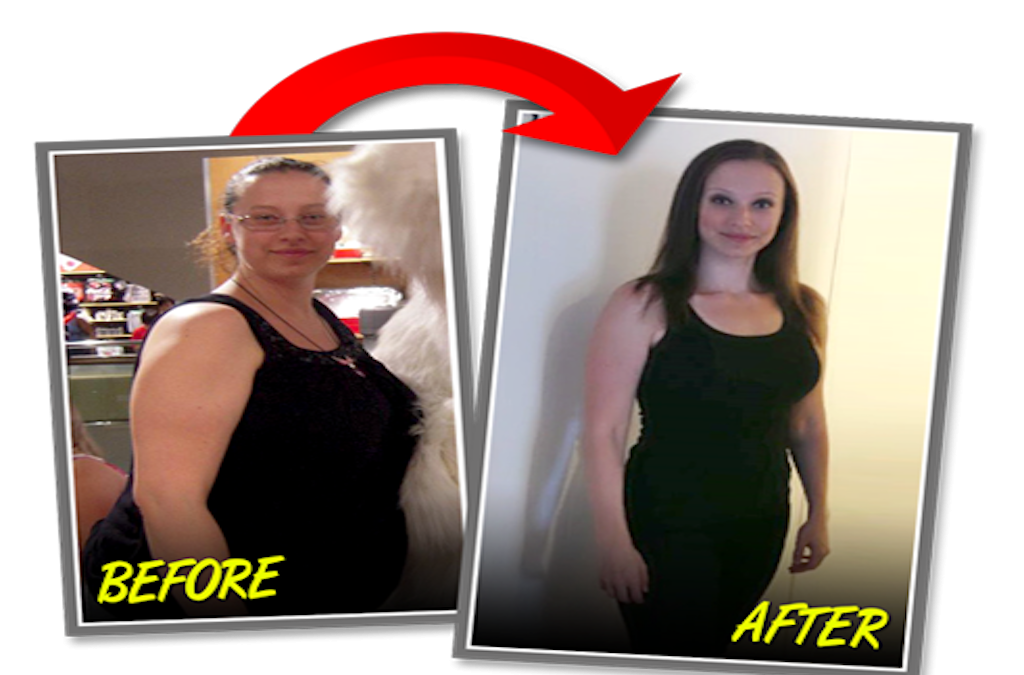
You are training consistently. You are eating better. You are showing up three times a week and putting in real effort. But your results have stalled. Your energy is low. Your recovery feels slow. You feel like you should be further along by now.
Before you change your program or overhaul your nutrition, ask yourself one question. How is your sleep?
For most adults, sleep is the missing variable. Not the only variable, but the one that quietly undermines everything else when it is consistently compromised. According to the Centers for Disease Control, only one in three American adults gets adequate sleep on a regular basis. The National Sleep Foundation reports that 16 percent of all adults get less than six hours per night.
If you are in that group, your training is working against a significant headwind regardless of how hard you push in the gym.
At No Limit Personal Training in Placentia, we work with adults in Orange, Anaheim Hills, Villa Park, and across Orange County who train hard and want to see results that match their effort. Sleep is part of that conversation every time. View the NLPT training schedule and come train with coaches who look at the full picture.
What Actually Happens While You Sleep
Sleep is not just rest. It is an active biological process where your body does some of its most important work.
During the deep stages of sleep, your pituitary gland releases growth hormone, which is the primary driver of muscle repair and fat metabolism overnight. This is when the micro-damage from your training sessions gets rebuilt stronger. Without adequate deep sleep, that process is shortened or disrupted, and the training stimulus you worked hard to create produces less adaptation than it should.
Your nervous system uses sleep to consolidate motor patterns and movement skills. Research shows that athletes who sleep adequately after practicing a new movement perform it better than those who sleep poorly, even when the total practice time is identical.
Your immune system performs much of its maintenance work during sleep. Inflammatory markers that accumulate during training get cleared. Tissue repair happens at a cellular level. Hormones that regulate appetite, blood sugar, metabolism, and stress are all recalibrated during healthy sleep cycles.
Cut sleep short and all of that gets compressed or skipped.
What Sleep Deprivation Does to Your Training

Here is where it gets specific and important for anyone who trains.
A 2022 Mayo Clinic randomized controlled trial restricted healthy adults to four hours of sleep per night for two weeks. The sleep-deprived group gained 11 percent more visceral belly fat specifically compared to those sleeping nine hours, ate approximately 300 more calories per day, and critically, did not reverse the visceral fat gained even after three nights of catch-up sleep.
Research published in the Journal of the American College of Sports Medicine found that sleep-deprived athletes showed measurable declines in strength, endurance, reaction time, and perceived effort during training sessions. The same workout felt harder and produced less output when performed after poor sleep.
A study in the European Journal of Applied Physiology found that just one night of sleep restriction significantly reduced muscle protein synthesis in response to resistance training. One night. Not a week of poor sleep. A single bad night reduced the muscle-building response to a strength training session.
For adults who are training to build strength, lose fat, or improve performance, this matters enormously. You can do everything right in the gym and the kitchen and still undercut your results significantly by consistently sleeping five to six hours instead of seven to nine.
Understanding how to speed up muscle recovery starts with sleep. It is the foundation that makes every other recovery strategy more effective.
How Sleep Affects Body Composition
The connection between sleep and body composition goes deeper than most people realize.
When you are sleep-deprived, two key appetite hormones shift in the wrong direction. Ghrelin, the hunger hormone, rises. Leptin, the fullness hormone, drops. The result is increased appetite, stronger cravings for high-calorie food, and reduced ability to feel satisfied after eating. This is not a willpower problem. It is a hormonal response driven directly by inadequate sleep.
Cortisol, the stress hormone, also rises with sleep deprivation. Chronically elevated cortisol promotes visceral fat storage, breaks down muscle tissue, and impairs insulin sensitivity. This is the same mechanism that drives belly fat accumulation in chronically stressed adults, and sleep deprivation produces the same cortisol pattern.
Research from the University of Chicago found that sleep restriction cut the proportion of weight lost as fat by 55 percent in adults on a calorie-controlled diet, while increasing lean muscle loss. In other words, people sleeping poorly lost more muscle and less fat than people sleeping well while eating the same number of calories. The diet was identical. Sleep made the difference.
Sleep and Mental Health in Training
Sleep affects more than your physical performance. It affects your motivation, mood, and mental resilience in training.
A study published in the journal Sleep found that adults sleeping fewer than six hours per night were significantly more likely to report emotional exhaustion, reduced motivation, and lower perceived quality of life. For adults trying to build a consistent fitness habit, motivation is already one of the hardest things to sustain. Poor sleep makes that harder at a neurological level.
The mental health benefits of training are well documented, but those benefits are significantly blunted when sleep is poor. The mood-boosting, stress-reducing effects of exercise depend on a well-rested nervous system to fully express themselves.
Conversely, regular exercise is one of the most effective sleep interventions available. Research consistently shows that adults who strength train and engage in regular physical activity fall asleep faster, spend more time in deep sleep stages, and wake less frequently during the night than sedentary adults. The relationship between exercise and sleep is bidirectional and both sides of it are worth investing in.
How Much Sleep Do You Actually Need
Seven to nine hours per night is the research-backed recommendation for most adults. But the number is not the only thing that matters.
Sleep quality matters as much as duration. Spending eight hours in bed but waking frequently, or sleeping lightly without reaching deep sleep stages, does not produce the same recovery as eight hours of consolidated, high-quality sleep. This is why some people feel worse after eight hours than others feel after six.
Consistency matters too. Going to bed and waking at approximately the same time every day, including weekends, stabilizes your circadian rhythm and improves sleep quality significantly over time. Irregular sleep schedules, even when total hours are adequate, disrupt the hormonal cycles that regulate recovery and metabolism.
For practical guidance on building better sleep habits, our post on practical sleep hygiene tips covers the specific habits and environmental changes that produce the most consistent improvement.
The NLPT Recovery Approach
At No Limit Personal Training, we believe that training hard and recovering well are equally important parts of the program. A session that is not recovered from properly is a session that produced less than it should have.
Beyond sleep, our Normatec recovery at NLPT offers pneumatic compression therapy that helps flush metabolic waste from muscles, reduce soreness, and support faster recovery between sessions. It is one of the tools our members use to make sure the work they put into training translates fully into results.
Who This Is For
This post is for adults who train consistently but feel like something is holding back their results. It is for people who are doing the right things in the gym and the kitchen but still feel tired, slow to recover, or stuck.
It may be for you if you:
- Sleep six hours or less most nights and wonder why recovery feels sluggish
- Train hard but feel like your body composition is not changing the way it should
- Feel unmotivated or mentally flat heading into workouts
- Want to understand what sleep deprivation is actually costing you in the gym
- Live near Placentia, Orange, Anaheim Hills, Villa Park, or anywhere in Orange County
What to Do Next
Sleep is not a passive activity. It is an active part of your training program. Treat it that way and everything else, your strength gains, your fat loss, your energy, and your consistency, improves alongside it.
Get unlimited group fitness in Yorba Linda and train with coaches who program your workouts and recovery together as one system.
You can also call us at (714) 909-1203 or email info@nolimitpt.com. We are at 980 S Via Rodeo, Placentia CA.
Train hard. Sleep well. Repeat.
Frequently Asked Questions
How does sleep affect fitness and training results?
Sleep is when muscle repair, growth hormone release, and nervous system recovery happen. Poor sleep reduces muscle protein synthesis in response to training, increases cortisol and belly fat accumulation, impairs strength and endurance output, and increases appetite and cravings. Research shows even one night of sleep restriction measurably reduces the muscle-building response to a strength training session.
How many hours of sleep do I need to see results from training?
Seven to nine hours per night is the research-backed recommendation for most adults. Quality and consistency matter as much as total hours. Reaching deep sleep stages and maintaining a regular sleep-wake schedule amplifies the recovery benefits significantly.
Can poor sleep cause weight gain even if I am training?
Yes. Research from the University of Chicago found that sleep restriction reduced the proportion of weight lost as fat by 55 percent in adults on controlled diets, while increasing muscle loss. Poor sleep raises hunger hormones, increases cortisol-driven belly fat storage, and reduces the metabolic rate.
Does exercise help improve sleep quality?
Yes. Research consistently shows that adults who strength train and exercise regularly fall asleep faster, sleep more deeply, and wake less frequently than sedentary adults. Regular exercise is one of the most effective non-pharmacological interventions for improving sleep quality.
What are the most important habits for better sleep?
Consistent sleep and wake times, limiting screens before bed, keeping the bedroom cool and dark, avoiding alcohol close to bedtime, and getting regular exercise during the day are the habits with the strongest research support for improving sleep quality.