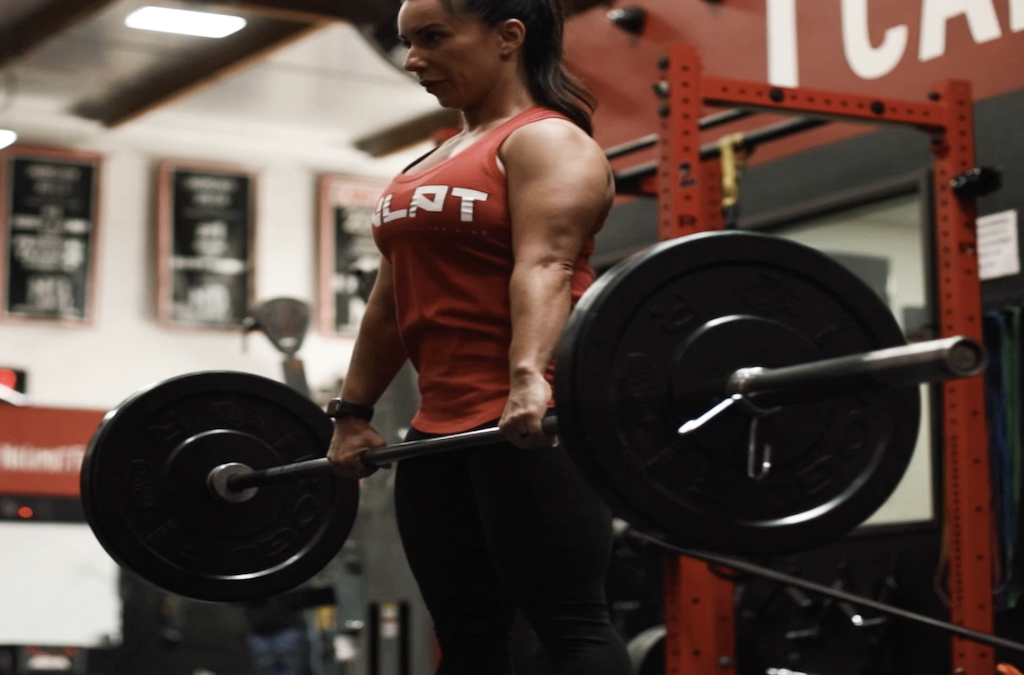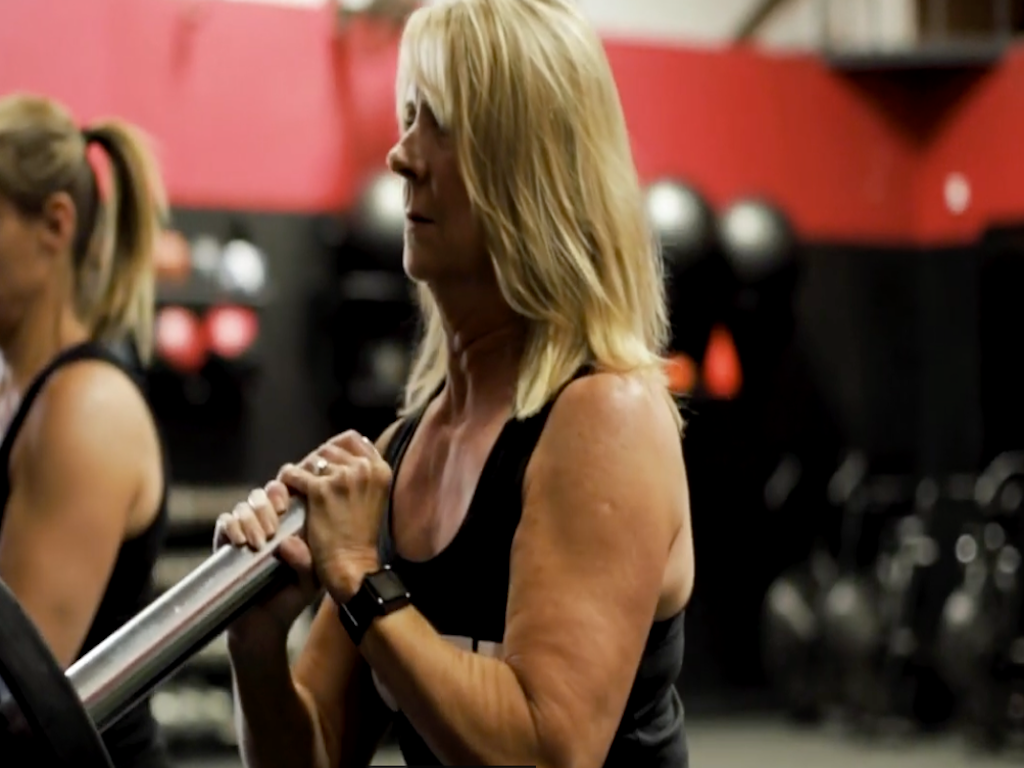
Jenn had always been active. Running, yoga, Pilates, she had tried it all. But when menopause brought weight gain and then daily hip pain, a doctor told her it was simply part of getting older and she would have to live with it. Jenn wasn’t ready to accept that.
About five years ago, Jenn noticed menopause bringing real changes, weight settling around her midsection that wouldn’t budge no matter how much she ran. Then came hip and back pain severe enough that she hurt daily just getting out of bed. A diagnosis of degenerative bone disease followed, and her doctor told her plainly that it was age and she needed to accept it. Jenn describes going home and feeling depressed, struggling with pain she wasn’t willing to believe was simply her new normal.
Why Jenn Decided To Make A Change
Jenn didn’t accept the idea that pain was just something to live with. As she puts it, “no, this can’t be my life. People walk around all the time without pain.” She had always been curious about weight training, and that curiosity, paired with her refusal to settle, became the push she needed.
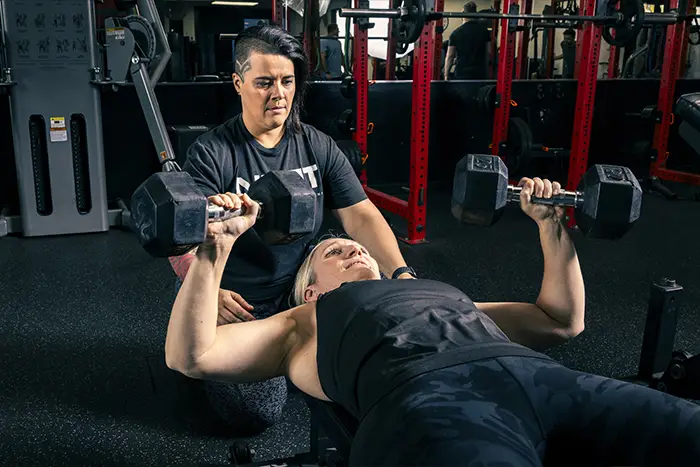
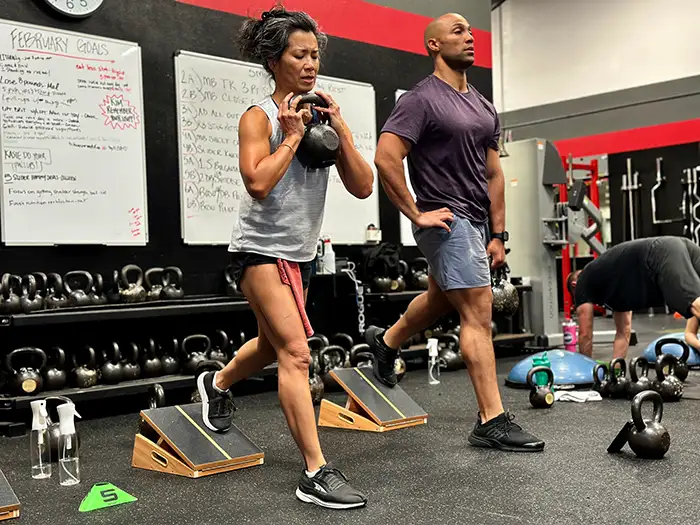
A friend who coached at No Limit Personal Training invited Jenn to give it a try. She committed to two weeks, unsure of what to expect. In her words, “I tried it out for two weeks, and man, it changed my life.”
Consistency made the difference. As Jenn kept training, she noticed her hip pain easing and her migraines fading. She wasn’t chasing a particular look. She says plainly, “some people want to do it for the outside appearance. I was doing it for my inside appearance.”
The Results Jenn Experienced
Jenn describes waking up without the pain that used to define her mornings. In her words, “I am not in pain. I can get out of bed and go, whoa, I feel good. I have energy.” At 56, she also feels confident enough to put on a bathing suit, something she calls a genuine bonus alongside how she feels internally. Her deeper motivation stays close to home. As she puts it, “I’m here for my kids, I’m here for my husband, future grandbabies. I guess you could say that’s my why.”
Jenn’s story is a reminder that a difficult diagnosis or a discouraging conversation with a doctor doesn’t have to be the final word. Her experience shows the value of trying something new, even with two weeks of consistency, before deciding what your body is or isn’t capable of. Every person’s situation is different, and any new pain or diagnosis is worth discussing with a doctor, but Jenn’s story shows what became possible once she gave herself the chance to find out.
Why Strength Training Can Help With Pain and Menopause Symptoms
Menopause often brings changes in weight distribution, energy, and how the body responds to stress and movement, changes that can be frustrating even for someone who has stayed active for years. Strength training supports the muscles and joints surrounding common problem areas like the hips, which can play a role in how much daily discomfort someone experiences.
Jenn’s experience, easing hip pain and fewer migraines after starting consistent training, reflects what many women describe during and after menopause once strength training becomes part of their routine. Results vary from person to person, and any ongoing pain or diagnosis should always be discussed with a doctor, but consistent strength training can be a meaningful part of feeling better, not just looking different.
Every success story begins with a first visit. Book your complimentary personal training session and let’s build a plan that fits your goals.
Can strength training help with pain related to menopause or aging? Many women find that consistent strength training supports the joints and muscles most affected by menopause related changes, which can play a role in daily comfort. Results vary, and ongoing pain should always be discussed with a doctor.
Is it normal to gain weight around the midsection during menopause? Yes, this is a common experience during menopause. Jenn noticed this change herself and found that consistent training, alongside other lifestyle habits, was part of addressing it.
What if a doctor says pain is just part of aging? It’s always worth having that conversation with your doctor, but many people find that consistent movement and strength training can meaningfully change how they feel day to day. Jenn’s story reflects one member’s experience finding real relief after being told to simply accept her pain.