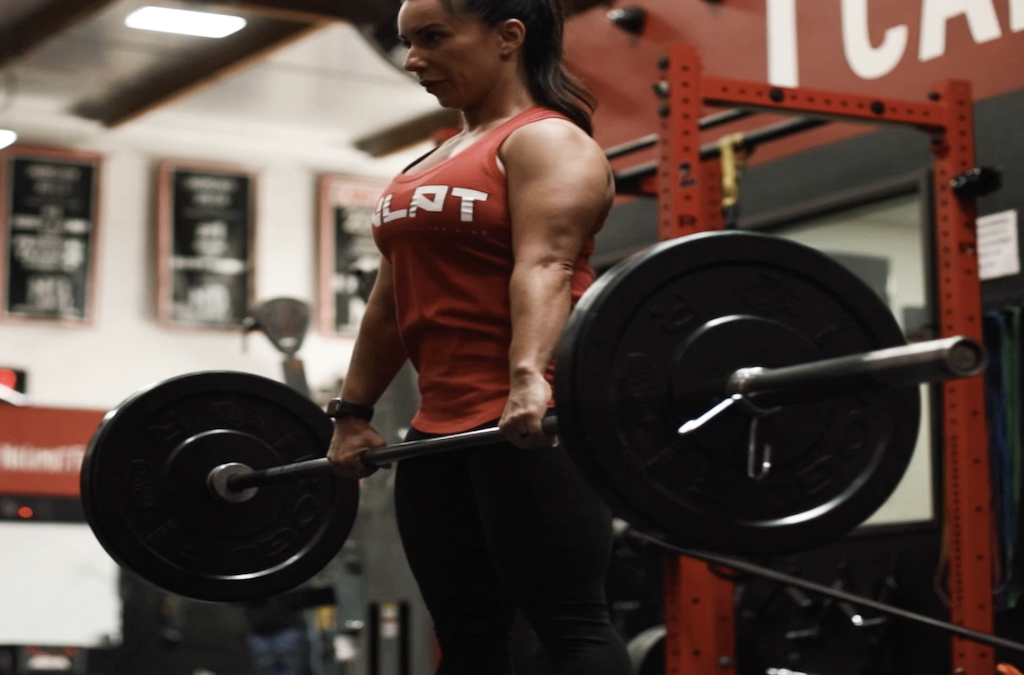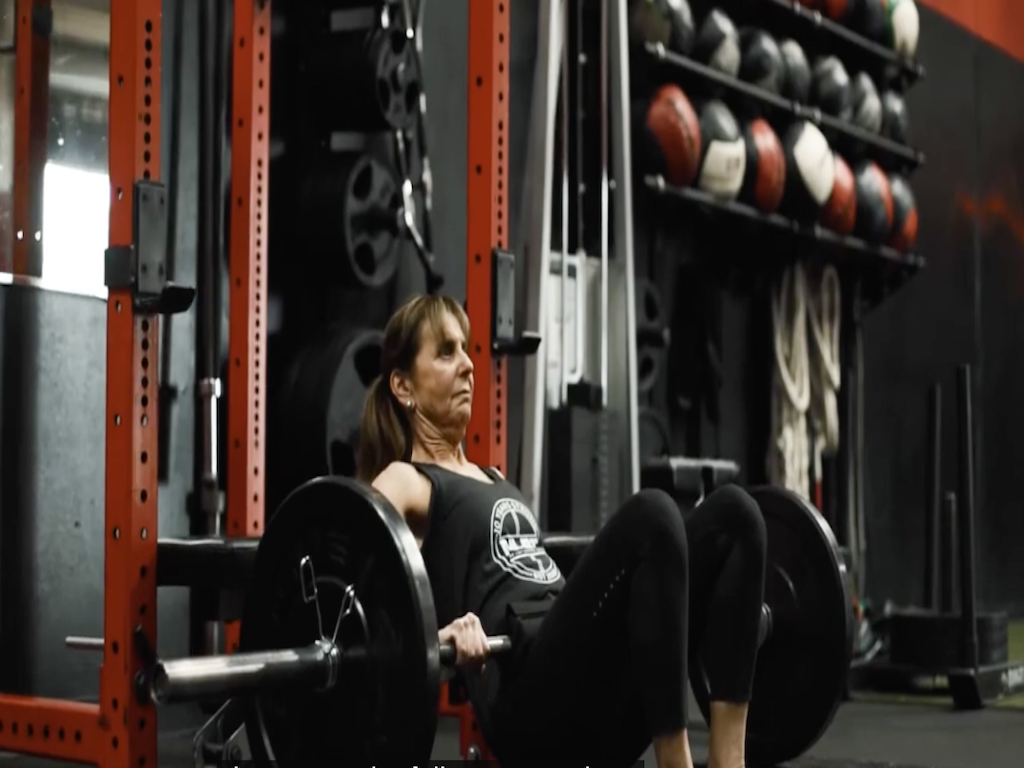
Nancy Leonard has trained at No Limit Personal Training for ten years. In that time, she has gone through a total hip replacement, a PRP injection for knee tendonitis, and a glute tear, and recovered fully from each one.
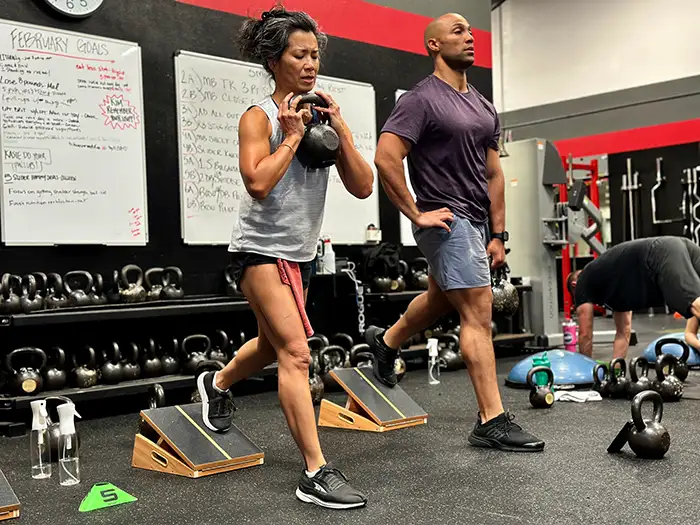
Nancy is part of the gym’s senior-citizen group, and, like many of the seniors who train alongside her, she stays active well beyond the gym. Over the past five years specifically, she has faced a series of orthopedic setbacks: a total hip replacement, a PRP injection for tendonitis in her knee, and a glute tear. Each one could have been a reason to slow down.
For Nancy, training was never just about the gym itself. As she puts it, “what motivates me to come here is that I want to stay healthy and I want to live long.” That mindset shaped how she approached every injury and every recovery along the way.
Nancy’s First Experience At No Limit Personal Training
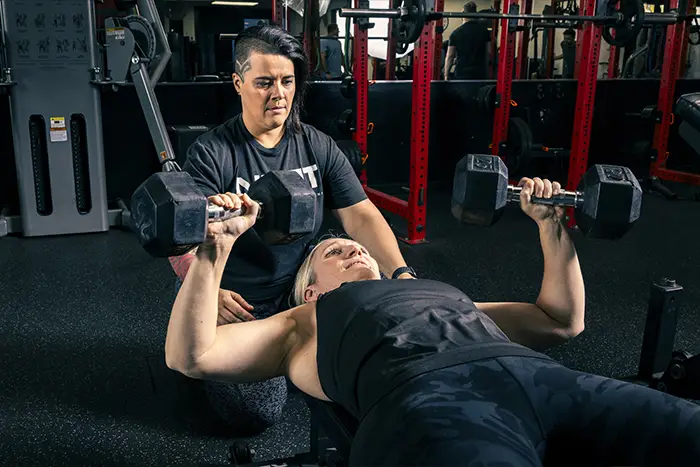
Ten years in, Nancy describes her ongoing experience at No Limit as a partnership. Her trainer has worked directly with her physical therapist and her orthopedic doctor after each injury, coordinating her care so she could return to where she was before, rather than training around her setbacks in isolation.
That coordinated approach mattered every time Nancy got hurt. Whether it was her hip replacement, her knee, or her glute tear, her trainer stayed in communication with her medical team throughout recovery. Nancy also credits consistency and nutrition, noting that staying strong and fit is what allows someone to recover well should something happen.
Nancy describes herself as stronger than she has ever been. In her words, “I have more endurance than I’ve ever had. I feel more toned than I’ve ever been before.” That strength has translated directly into her recovery, letting her bounce back fully from a hip replacement and two other significant injuries within the same five year stretch.
Outside the gym, Nancy hikes national parks, swims in the ocean, dives, and snorkels, activities she says require the strength and endurance her training has built. As she puts it, she wants to “live and enjoy my children and my grandchildren as long as I possibly can, and that’s why I’m here.”
Nancy’s approach offers a clear takeaway: training isn’t just about how you look or perform in the gym. It’s about building the strength and resilience to recover from whatever life brings and to keep doing the things you love outside of it.
Why Strength Training Supports Recovery and Long Term Independence
Strength training plays a direct role in how well the body recovers from injury and surgery, especially for adults managing orthopedic issues like joint replacements or soft tissue injuries. Muscle strength supports the joints and tissues surrounding an injury, which can make recovery smoother and reduce the risk of reinjury.
For older adults specifically, this becomes even more important. Nancy’s experience, recovering fully from a hip replacement, a knee injury, and a glute tear over five years, reflects what consistent strength training can do when it’s paired with coordinated care from physical therapists and doctors. The goal isn’t just staying active. It’s staying capable enough to keep doing the things that matter, whether that’s hiking a national park or keeping up with grandchildren.
You don’t have to figure this out on your own.
Book your complimentary personal training session and experience the difference expert coaching makes.
Check out more success stories below:
How a personal training community helped one woman recover from cancer
Strength training after Injury: Vicki’s Story at NLPT
Is strength training safe after a hip replacement or other orthopedic surgery? Yes, when training is coordinated with a physical therapist and orthopedic doctor. Nancy’s trainer worked directly with her medical team after each injury to help her return safely to where she was before.
Can strength training help seniors recover faster from injuries? Strength training helps build the muscle and tissue support that surrounds joints, which can support smoother recovery from injuries and surgeries common among active older adults.
Is it too late to start strength training as a senior? No. Nancy has trained for ten years and continues to recover fully from significant injuries, showing that consistent strength training can support an active lifestyle well into the senior years.