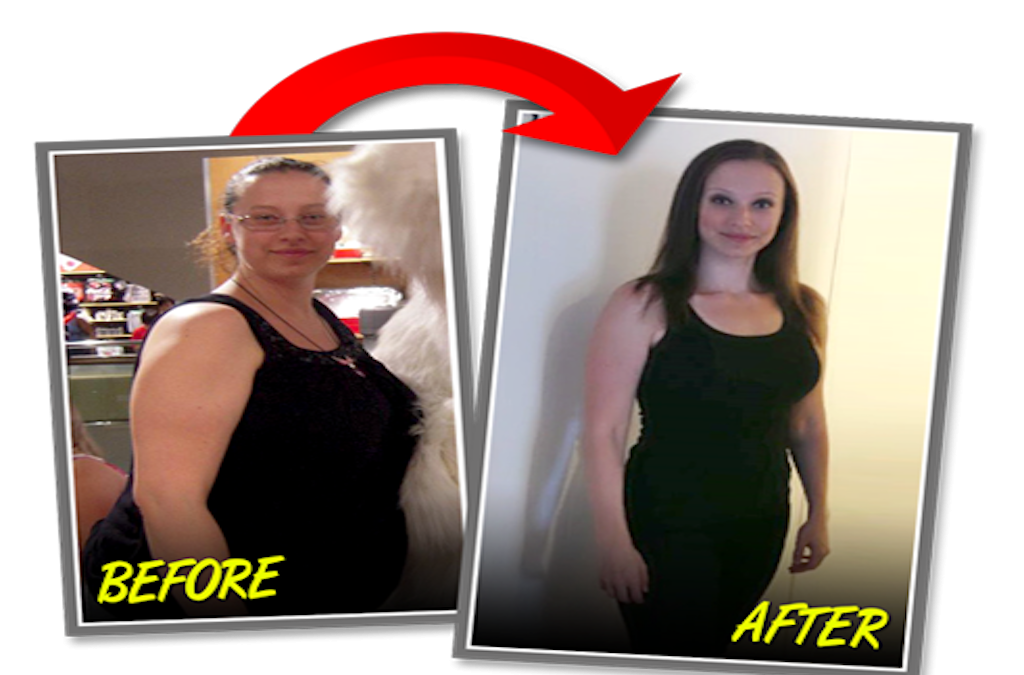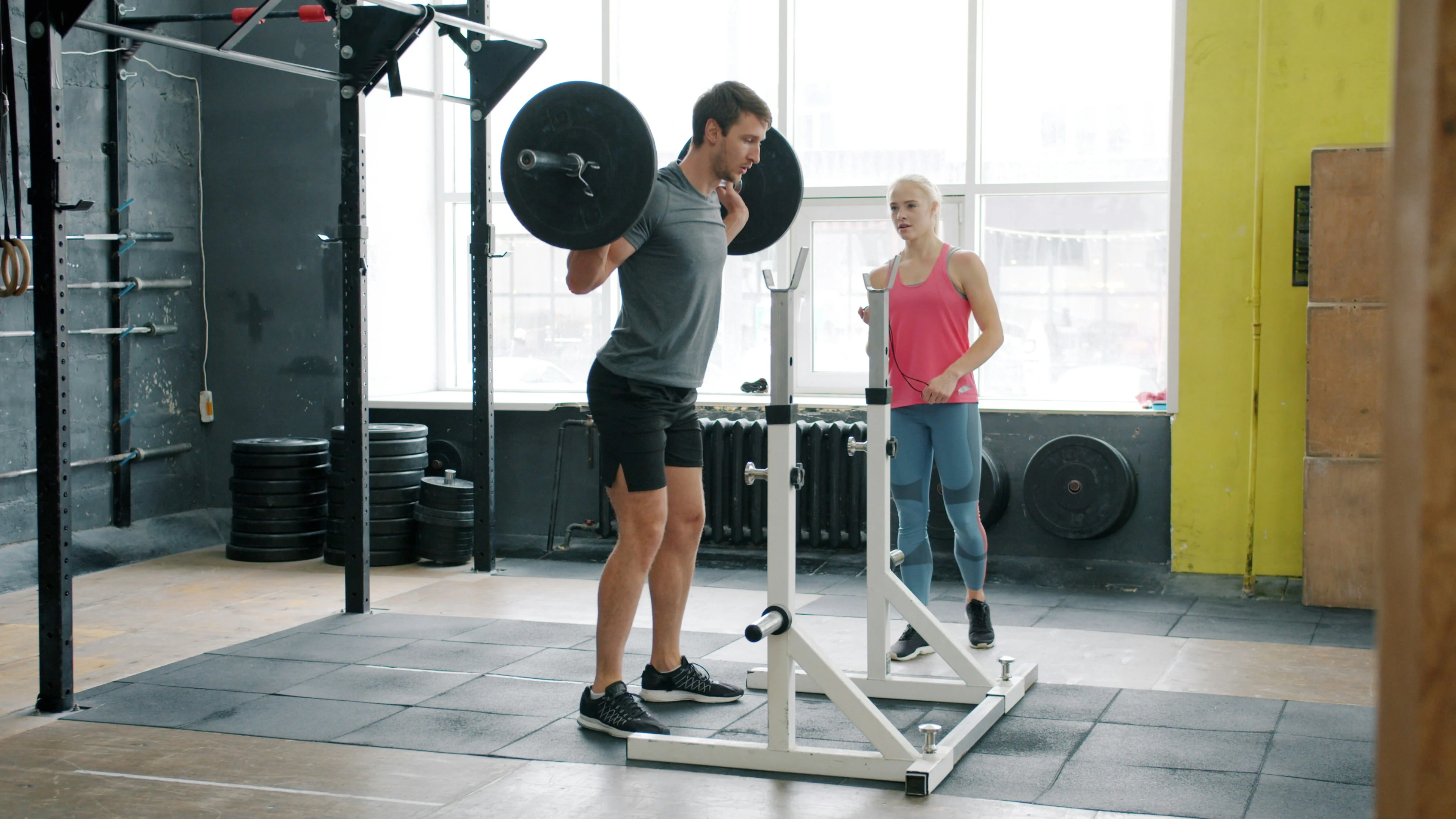
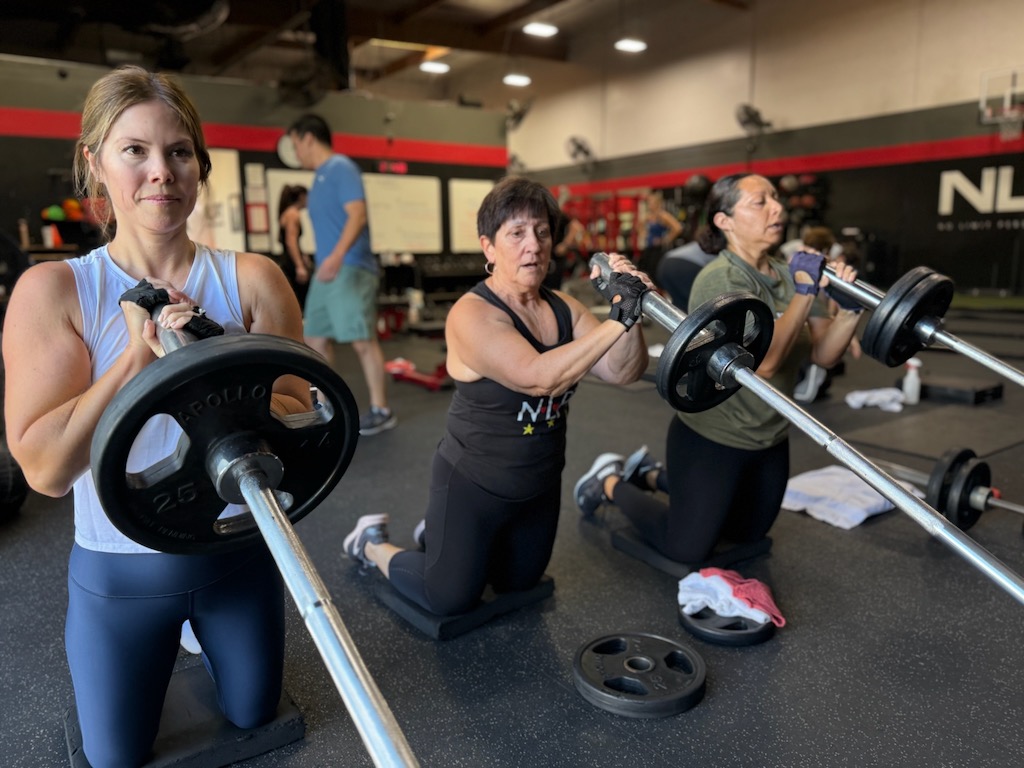
It is one of the most common questions we hear at No Limit Personal Training. You look at old photos and remember feeling strong, energetic, and comfortable in your body. Now things feel different and you want to know if you can get that back.
The honest answer is yes. Not by pretending nothing has changed, but by understanding what actually changes as you get older and responding to it with the right habits. Research is clear that exercise, nutrition, and sleep have a far greater influence on how your body ages than most people realize.
We help adults in Placentia, Orange, Anaheim Hills, Villa Park, and across Orange County stay strong and lean well into their 50s, 60s, and beyond. Take a tour of NLPT and see exactly how we help people like you get there.
What Actually Changes as You Get Older
Before diving into what to do, it helps to understand what is actually happening in your body. This is not about being discouraging. It is about being honest so you can respond with the right approach rather than just working harder at the wrong things.
After age 30, muscle mass naturally begins to decline at a rate of roughly 3 to 8 percent per decade. That rate accelerates after 50. Alongside that, resting metabolic rate drops, meaning your body burns fewer calories at rest than it used to. Bone density starts declining in your 30s and picks up speed after menopause in women. Hormonal changes affect how your body stores fat and builds muscle. Recovery from exercise takes longer than it once did.
Research from the National Institute on Aging confirms that these changes are real and consistent across populations. But the same research also shows that moderate to vigorous physical activity is strongly associated with maintaining muscle function regardless of age, and that muscle mass in adults over 55 is a better predictor of longevity than weight or BMI.
The changes are real but they are not inevitable. They are largely modifiable through the right habits. For a practical starting point read our guide on tips for getting in shape after 40.
Strength Training Is the Foundation
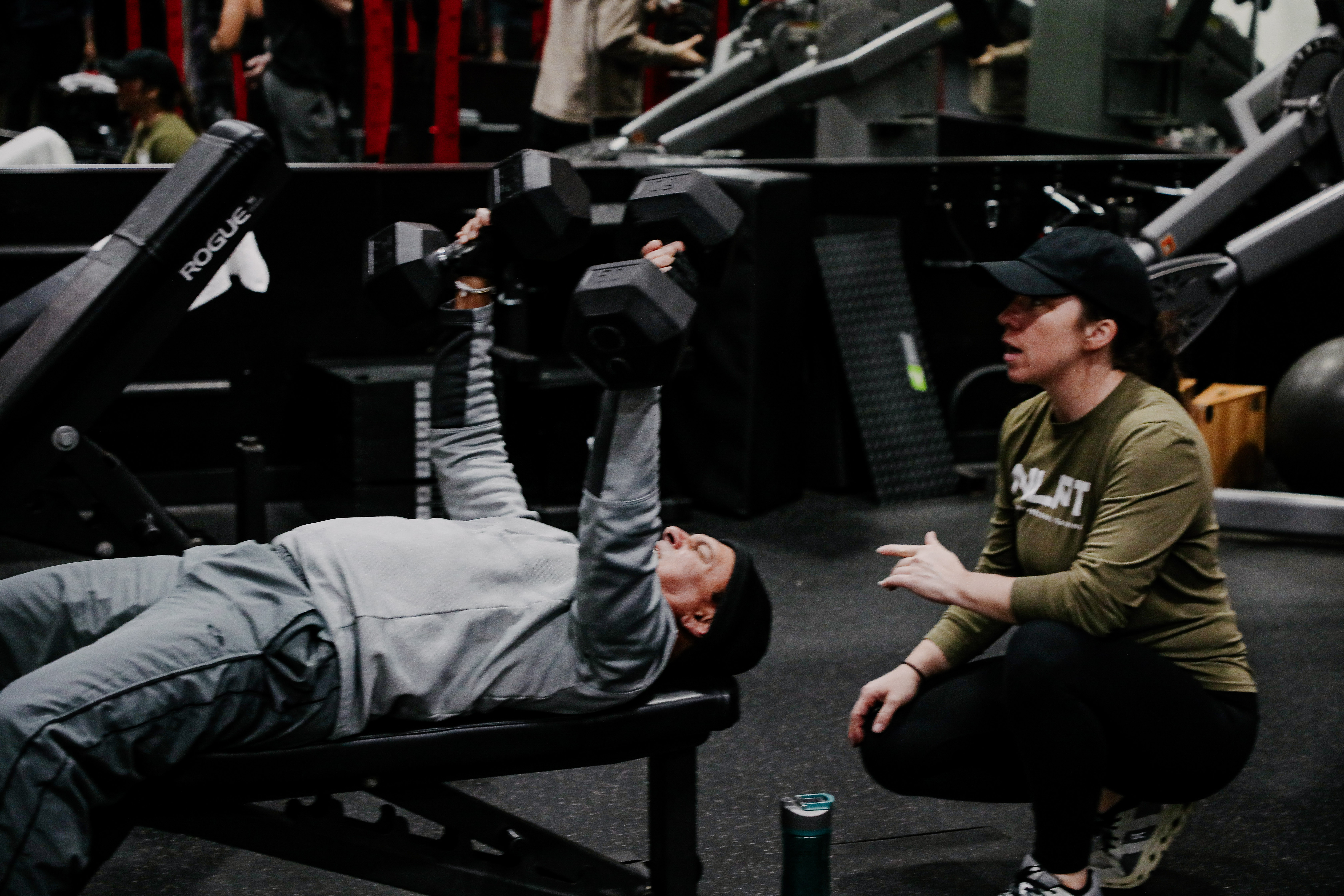
If there is one thing research agrees on when it comes to staying in the same shape as you get older, it is this. Strength training is the single most effective tool available.
Cardiovascular exercise is valuable and has a real place in a well-rounded program. But cardio alone does not stop muscle loss, does not preserve bone density, and does not counteract the metabolic slowdown that comes with aging. Only resistance training does all three simultaneously.
A 2019 NIA study found that moderate to vigorous physical activity is strongly associated with muscle function regardless of age and suggested that exercise may actually prevent age-related decline in muscle function entirely, not just slow it down.
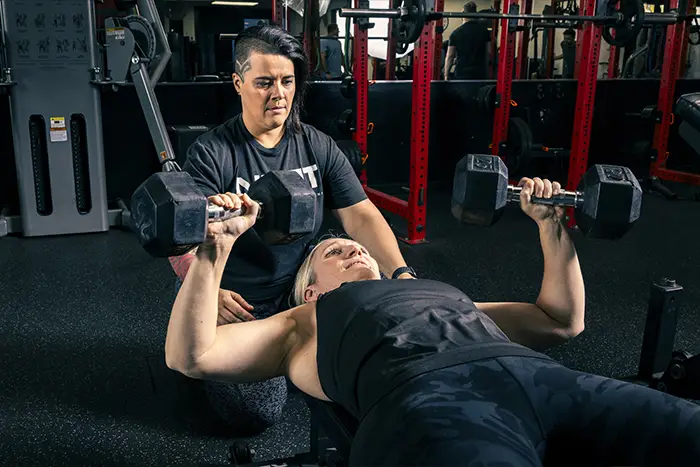
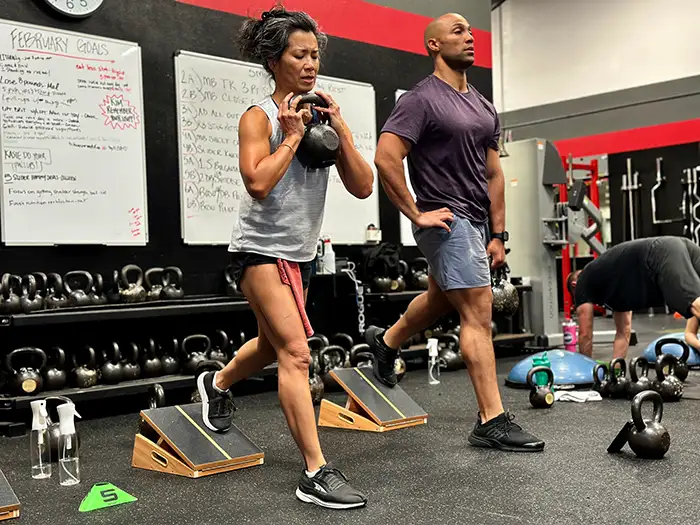
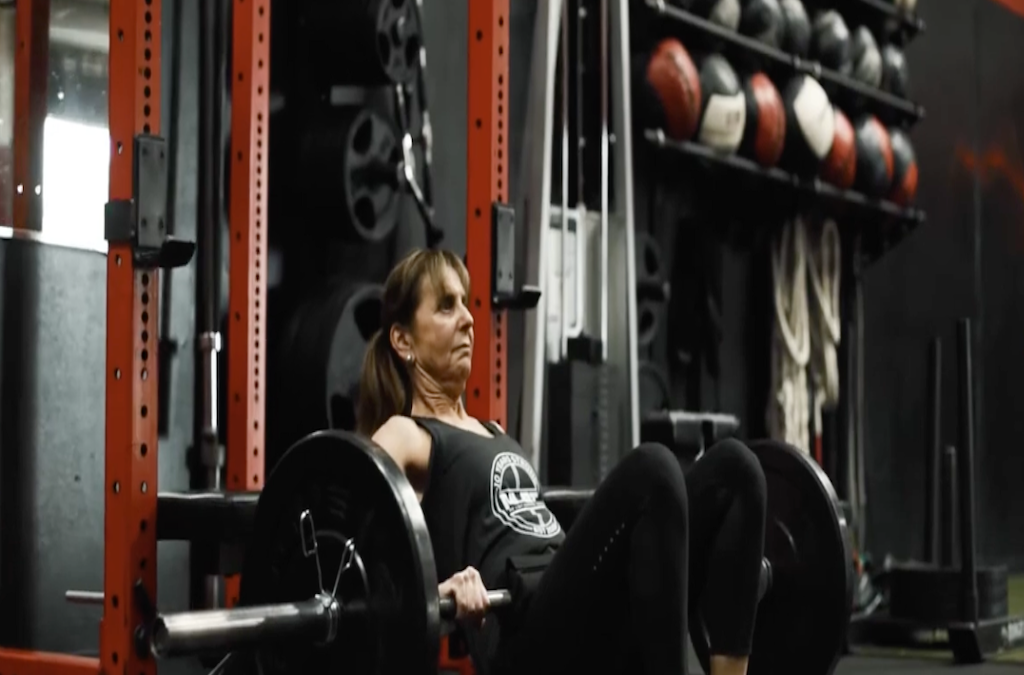
For adults who want to stay in the same shape they had when they were younger, strength training two to four times per week is the most important habit to build. Not because it is trendy but because it is what the evidence consistently supports. Read more about the science of strength training for longevity to understand exactly why this matters so much.
Protein Is the Second Most Important Factor
Most adults eat far less protein than their body needs to maintain muscle as they age. The standard government recommendation of 0.8 grams per kilogram of body weight per day is the minimum to prevent deficiency, not the amount needed to maintain muscle in an active adult.
Research from McMaster University recommends closer to 1.2 grams per kilogram of body weight per day as a minimum for older adults trying to maintain muscle and strength. For active adults who strength train the optimal range is higher still, between 1.4 and 2.2 grams per kilogram per day.
A review published in PMC confirms that low protein intake is directly associated with loss of lean body mass with age, and that the standard recommended protein intake may simply not be sufficient for older people.
Getting enough protein spread across three to four meals per day gives your muscles the raw material they need to repair and rebuild after training. Practical sources include eggs, Greek yogurt, chicken, salmon, cottage cheese, and lean beef. A palm-sized portion of protein at every meal is a simple framework that works without complicated tracking.
Sleep Is Not Optional
Most people know sleep matters but treat it as optional when life gets busy. For anyone trying to stay in the same shape as they get older that is a costly trade-off.
Research published in PMC confirms that sleep directly affects body composition, with poor sleep linked to increased fat mass, decreased lean muscle mass, and impaired recovery from exercise. During deep sleep growth hormone is released, which is the primary driver of muscle repair and fat metabolism overnight. Shortchanging sleep shortchanges that entire process.
Seven to nine hours per night is the research-backed recommendation for most adults. Consistent sleep and wake times, limiting screens before bed, and keeping the bedroom cool and dark are the habits that support this most reliably.
For adults who train consistently but are not seeing the body composition results they expect, poor sleep is often the hidden variable limiting their progress.
Consistency Beats Intensity
One of the most important mindset shifts for staying in the same shape as you get older is understanding that consistency matters more than any single workout.
Research confirms that the benefits of resistance training for muscle and bone accumulate over time and require an ongoing stimulus to be maintained. The goal is not to have a perfect twelve-week program and then stop. The goal is to build habits around training that you can sustain for years.
Three sessions per week done consistently over a year produces dramatically better results than five intense sessions per week for eight weeks followed by a break. Your body adapts to the habits you maintain, not the effort you peak at occasionally.
If you are starting your fitness journey after 40 or restarting after time away, understanding this distinction from the beginning saves months of frustration.
What Most People Get Wrong
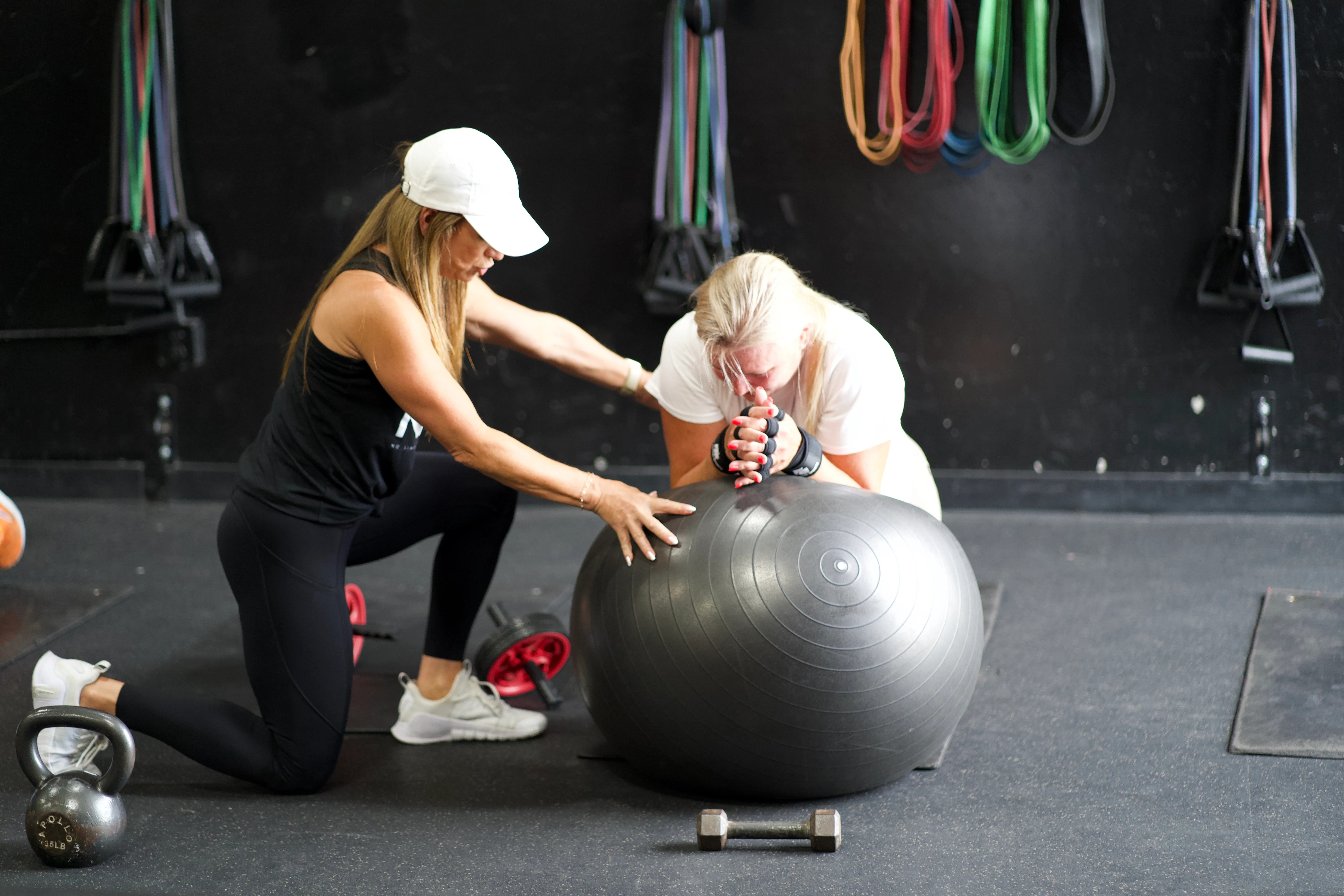
The most common mistake adults make when trying to stay in shape as they get older is doing the same thing they did in their 20s and expecting the same results.
Running the same distances, eating the same way, doing the same light cardio. When it stops working they assume their body is just broken. In most cases the program simply needs updating to match what the body needs now.
Another common mistake is prioritizing cardio over strength training because cardio feels more familiar. Cardio burns calories during the workout but does very little to combat the muscle loss and metabolic slowdown that drives most age-related body composition changes. Strength training does both.
Undereating is another issue that holds many adults back. Chronic calorie restriction while training causes the body to break down muscle alongside fat, which accelerates the very metabolic slowdown you are trying to prevent. Eating enough protein and overall calories to support training is not optional. It is a core part of the strategy.
Who This Is For
This post is for adults who feel like their body has changed and want to understand what they can actually do about it. It is for people who are not ready to accept that getting older means losing their shape, energy, or strength.
It may be for you if you:
- Feel like your body has changed and want honest guidance on what to do
- Have tried exercising before but struggled to see or maintain results
- Want to build habits that keep you strong and capable long term
- Are in Placentia, Orange, Anaheim Hills, Villa Park, or anywhere in Orange County
- Want coaching that accounts for where you are right now
How NLPT Helps You Stay in Shape Long Term
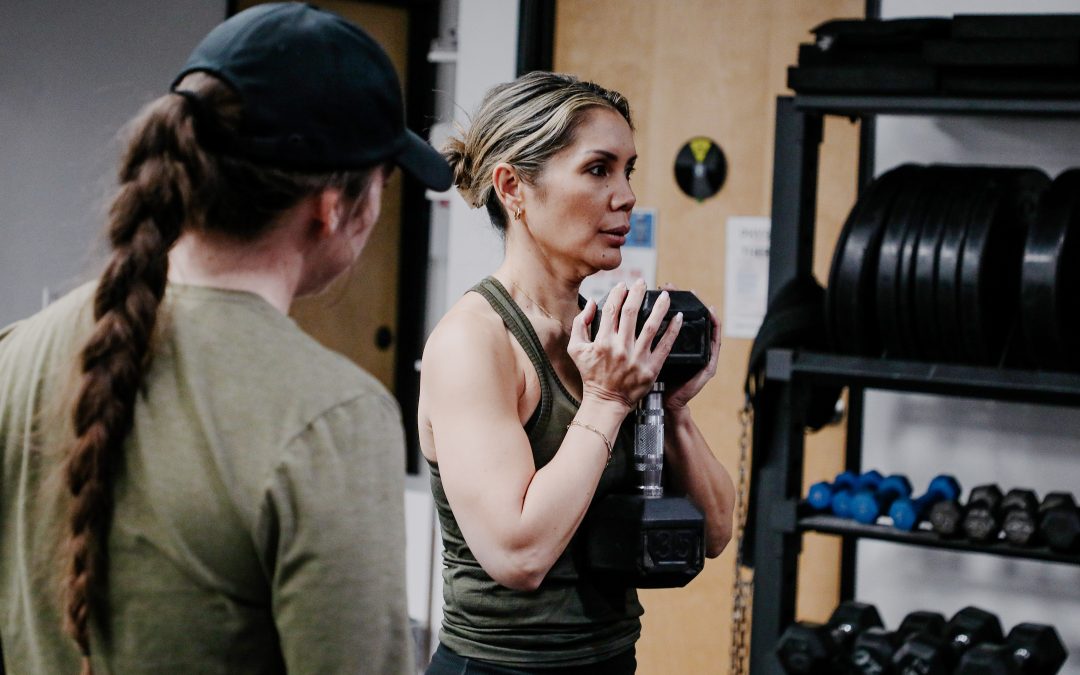
At No Limit Personal Training we build programs around what your body actually needs at this stage of life. That means strength training with progressive overload, practical nutrition guidance built around real food, and coaching that helps you stay consistent rather than burning out.
Our coaches work with adults at every starting point and every age. The goal is not to make you feel like you did at 25. The goal is to help you feel the best version of yourself right now and keep improving from there.
Book a complimentary intro session and let our coaches show you exactly what a plan built around your body and your goals looks like.
What to Do Next
Staying in the same shape you had when you were younger is not about fighting your biology. It is about working with it using the right tools. Strength training, adequate protein, quality sleep, and consistency over time are what the research supports and exactly what NLPT is built around.
Start the 6 week kickstart program at No Limit Personal Training today. You can also call us at (714) 909-1203 or email info@nolimitpt.com. We are at 980 S Via Rodeo, Placentia CA.
Age is not the obstacle. The right plan makes all the difference.
Frequently Asked Questions
Can you really stay in the same shape as when you were younger?
Yes. While the body does change with age, research consistently shows that the right habits around strength training, protein intake, sleep, and consistency can maintain and even improve body composition well into your 50s, 60s, and beyond.
What is the most important exercise for staying in shape as you age?
Strength training. Research from the National Institute on Aging found that resistance training is the most effective tool for maintaining muscle function, bone density, and metabolic rate as you age. Cardio is valuable but cannot replace the benefits of lifting.
How much protein do you need as you get older to stay in shape?
Research recommends at least 1.2 grams per kilogram of body weight per day as a minimum for older adults, and up to 1.4 to 2.2 grams per kilogram for those who strength train regularly. Most adults eat significantly less than this without realizing it.
Does sleep really affect body composition as you age?
Yes significantly. Research confirms that poor sleep directly links to increased fat mass, decreased lean muscle mass, and impaired recovery from exercise. Seven to nine hours of quality sleep per night is part of the strategy not an optional extra.
How does NLPT help adults stay in the same shape as they get older?
NLPT provides coached strength training programs, practical nutrition guidance, and accountability that helps adults stay consistent over the long term. Our coaches understand how the body changes with age and build programs that work with those changes rather than ignoring them.