Once you set a goal, you have made a commitment. That should never be taken lightly.
The problem is that most people either set goals that are so vague they never get started, or so extreme they set themselves up to fail within a few weeks. Both approaches lead to the same result. Nothing changes.
At No Limit Personal Training in Placentia, we work with adults across Anaheim Hills, Orange, Villa Park, and Yorba Linda who are serious about changing something. The goal-setting process is where that change either takes root or falls apart before it begins. Here is how to do it right.
The Difference Between Goals That Work and Goals That Do Not
The most common goal-setting mistake is going straight to the big picture without building a path to get there.
Someone decides they want to lose 40 pounds. That is a meaningful goal and there is nothing wrong with wanting it. But 40 pounds is a long way from today, and without a clear structure of smaller wins along the way, motivation fades long before the finish line comes into view.
This is why understanding why setting goals is not enough is the real starting point. Goals without a system to support them are just wishes. The system is built from short-term wins stacked consistently over time.
Long-Term Goals and Short-Term Goals Work Together
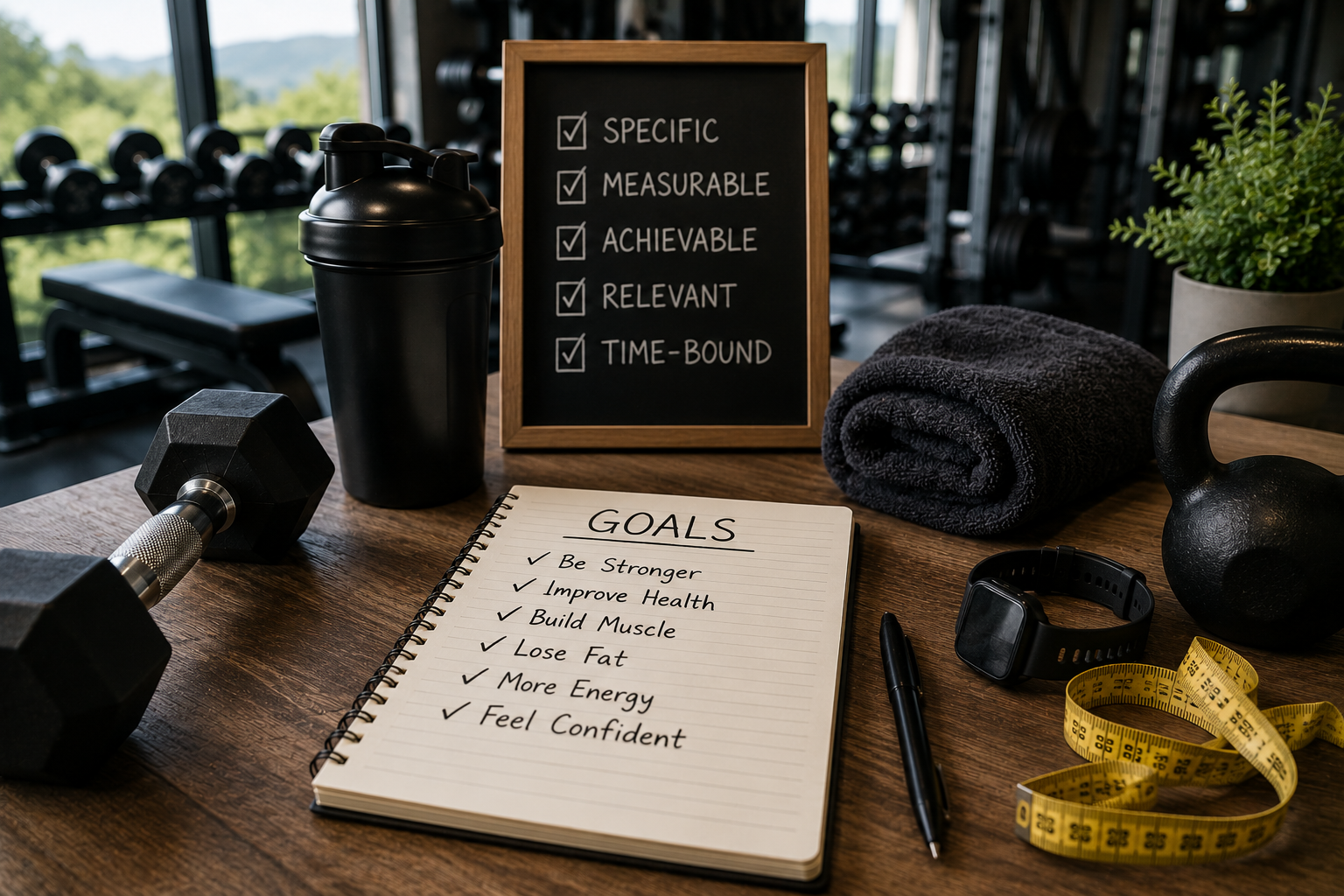
Begin with your long-term goal. Be specific about what you want and give it a realistic timeframe. Lose 30 pounds in six months. Add 50 pounds to your squat in a year. Run a 5K without stopping. These are clear, measurable outcomes that give you something to aim at.
Then build a series of short-term goals that create a path toward the long-term one. These shorter wins might look like losing two pounds this week, adding five pounds to your squat this month, or running for 15 minutes without stopping by the end of the month.
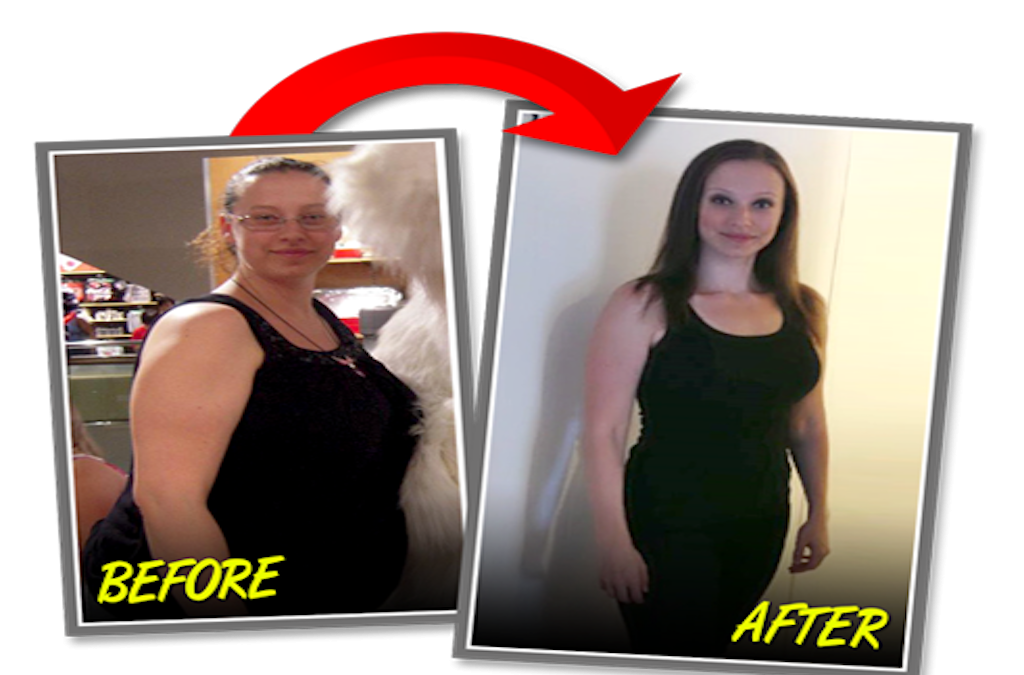
Each short-term goal you hit does two things. It moves you physically closer to the long-term goal. And it provides evidence that you are capable of doing this, which is often more valuable than the progress itself. Momentum is built from proof, and short-term wins are the proof.
Celebrate Every Win, No Matter How Small
This part gets skipped constantly and it is a mistake.
Even the smallest goal achieved deserves recognition. It is proof that you showed up, did the work, and followed through. That matters. Not because every small win deserves a party, but because noticing your progress keeps you connected to the fact that something is actually changing.
Most people who quit do so not because the goal was wrong but because they stopped seeing the evidence that they were moving toward it. Celebrating small wins keeps that evidence visible. Read more on the power of consistency in training and why showing up repeatedly matters more than any single breakthrough moment.
Common Reasons Goals Fall Apart
Knowing how to set a goal is half the battle. Knowing why goals tend to fail helps you protect against it. Read our post on why people do not stick to their goals for the full breakdown. The short version is this.
Goals fail when they are too vague. “Get healthy” is not a goal. “Lose 15 pounds in 12 weeks by training three times per week and hitting my protein target daily” is a goal.
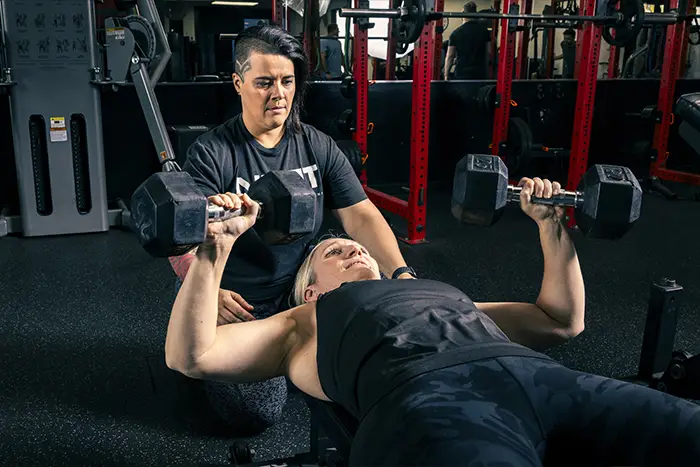
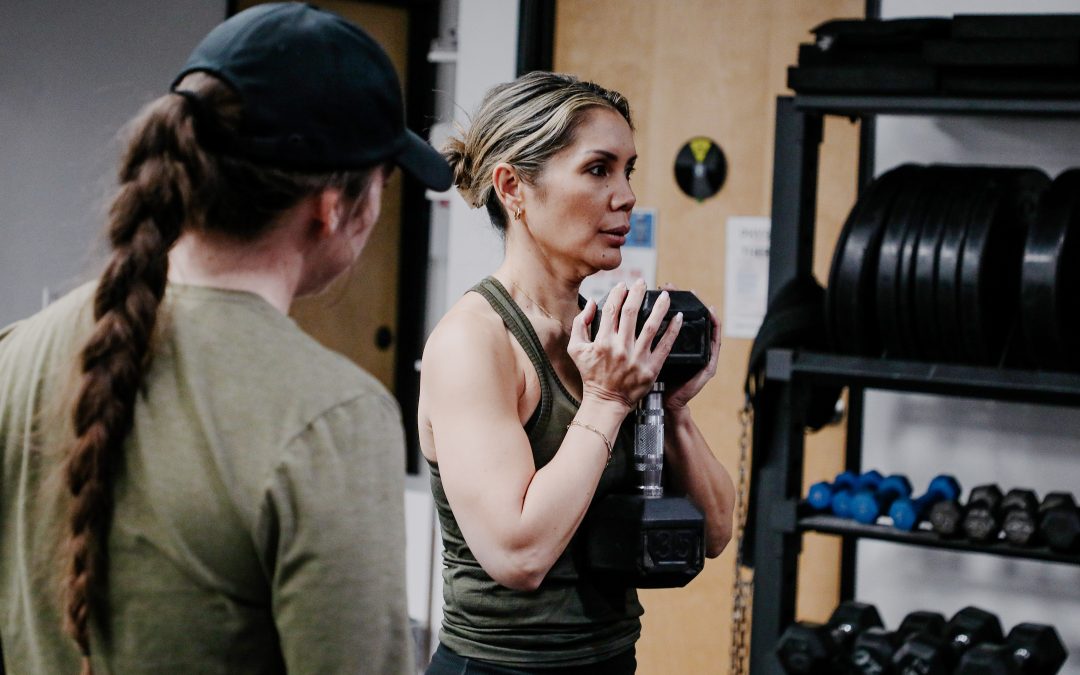
Goals fail when there is no accountability. Knowing someone expects you to show up changes everything. A coach, a training partner, or a community that notices when you are absent makes consistency significantly more likely.
Goals fail when the gap between where you are and where you want to be feels too large to bridge. This is exactly why the short-term goal structure matters. It makes the path feel walkable rather than overwhelming.
A Few of My Personal Goals
I have always believed that coaches should hold themselves to the same standard they ask of their members. Here are some of mine.
Help every client at No Limit Personal Training reach their health and fitness goals or get as close as their consistency and effort allow. Help raise money for local charities in Orange County. Keep reading and learning. Build something that outlasts me.
The point is not the specific goals. The point is that having them written down and reviewed regularly keeps you oriented. Without that, it is easy to drift.
Where to Start If You Are Not Sure How

If you are new to goal setting or restarting after a long break, how to start your fitness journey is a practical starting point that walks through the process step by step.
From there, a structured program with clear progression and coaching gives your goals the container they need to become real results rather than good intentions.
Who This Is For
This post is for anyone who has set fitness goals before and not followed through, and wants to understand why and what to do differently. It is for adults who are ready to stop starting over and start building something that lasts.
It may be for you if you:
- Have set health or fitness goals before but struggled to stay consistent
- Want a structured approach to goal setting that actually produces results
- Are looking for accountability alongside your training
- Live near Anaheim Hills, Placentia, Orange, Villa Park, or Yorba Linda
- Want to work with coaches who take your goals as seriously as you do
What to Do Next
Setting healthy goals is where every transformation begins. But the goal alone is not enough. You need a plan, a structure, and someone in your corner who keeps you accountable when motivation fades.
Start fresh with NLPT this year and let our coaches help you build a program around goals that are specific, achievable, and worth chasing.
Or jump straight into our 6 week fitness challenge if you want a structured starting point with a clear timeline and measurable outcomes built in from day one.
You can reach us at (714) 909-1203 or email info@nolimitpt.com. We are at 980 S Via Rodeo, Placentia CA, just minutes from Anaheim Hills, Orange, and Yorba Linda.
Set the goal. Build the plan. Show up.
Frequently Asked Questions
How do you set healthy fitness goals that actually work?
Start with a specific long-term goal and then break it into a series of smaller short-term goals that create a clear path. Each short-term win builds momentum and provides evidence of progress, which is what keeps you consistent long enough to reach the bigger outcome.
What is the difference between long-term and short-term fitness goals?
A long-term goal is the overall outcome you are working toward, such as losing 30 pounds or running a 5K. Short-term goals are the weekly and monthly milestones that get you there, such as losing two pounds this week or increasing your training frequency from two to three sessions per week.
Why do most people fail to reach their fitness goals?
The most common reasons are goals that are too vague, no accountability structure, and a gap between the starting point and the goal that feels too large to bridge. A coached program with clear short-term milestones addresses all three of these.
How does having a personal trainer help with goal setting?
A personal trainer helps you set goals that are specific and realistic for your current fitness level, builds a structured plan to reach them, and provides the accountability that research shows significantly improves consistency and long-term results.
How long does it take to see results from a fitness goal?
Most adults notice improved energy and strength within three to four weeks of consistent training. Visible body composition changes typically appear within six to eight weeks. Meaningful progress toward longer-term goals like significant weight loss or strength milestones usually takes three to six months of consistent effort.