Anxiety is the common denominator behind many health problems. Being anxious leads to stress, frustration, and in some cases serious physical complications. In the most intense situations, fear can take hold and leave people feeling almost paralyzed, stuck in a loop that feels impossible to break out of.
Fortunately, controlling anxiety is more accessible than most people think. And one of the most powerful tools available does not cost anything, does not require a prescription, and is something you are doing right now without thinking about it.
It is breathing. And most of us are doing it wrong.
At No Limit Personal Training in Placentia, we work with adults across Orange, Anaheim Hills, Villa Park, and Yorba Linda who are managing stress and anxiety alongside their fitness goals. Getting your breathing right is one of the simplest and most immediate changes you can make. Find out what your first day looks like at NLPT and experience training in an environment built around your whole health.
The Connection Between Oxygen and Anxiety
The flow of oxygen through the body is crucial in balancing both your emotional and physical state. It is just as important to pay attention to how oxygen enters and leaves your body as it is to pay attention to what you eat or how you train.
As a baby, you breathed correctly without being taught. Watch any infant and you will see their belly rise and fall with each breath. Deep, full, natural. That was before the stresses of work, relationships, traffic, bills, and everything else that modern life stacks on top of you.
Here is the thing. It is entirely possible to forget how to breathe. And most adults in stressful situations have done exactly that.
What Happens When You Breathe the Wrong Way
When people become anxious or start to panic, they instinctively begin taking shorter, faster breaths from the chest rather than the abdomen. With shallow chest breathing, oxygen only reaches the upper portion of the lungs before exiting. Many cells throughout the body receive less of the clean air they need. Carbon dioxide builds up more quickly. The nervous system interprets this as a signal that something is wrong, which reinforces the anxiety response and makes everything feel worse.
It becomes a self-reinforcing cycle. Anxiety causes shallow breathing. Shallow breathing makes anxiety worse. Most people have no idea this is happening because it feels automatic and involuntary.
The good news is that you can interrupt this cycle deliberately. And doing so produces results almost immediately.
How to Breathe Right and Fight Anxiety
The solution is straightforward. Slow down your breathing and shift from chest breathing to abdominal breathing.
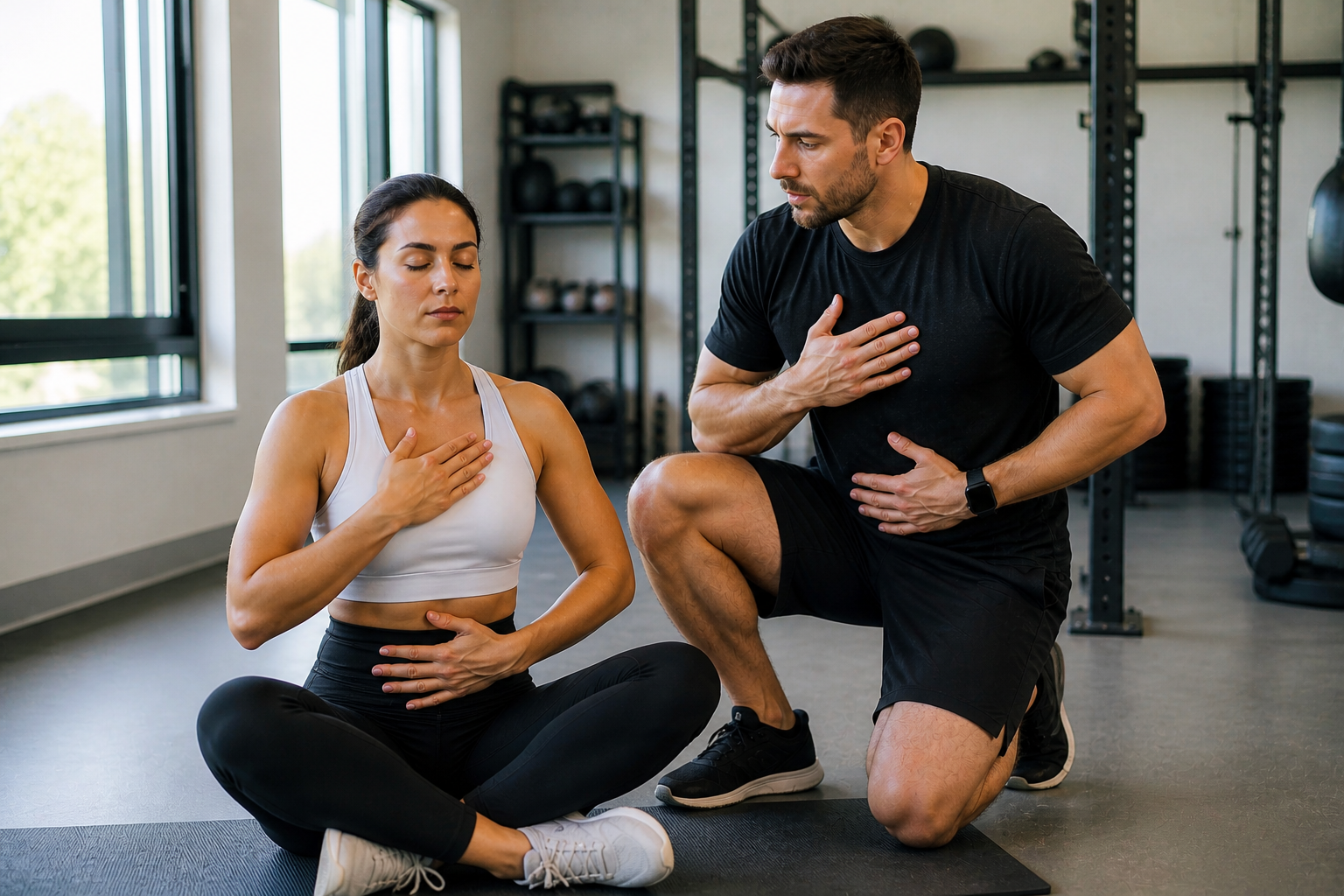
Instead of letting air stop at your chest, breathe deeply from your abdomen. Here is how to do it. Sit or lie comfortably. Place one hand on your chest and one on your belly. Inhale slowly through your nose for four counts. Your belly should rise, not your chest. Hold briefly. Then exhale slowly through your mouth for six counts. Feel your belly fall as the breath leaves.
Try it right now. If you are doing it correctly you should notice a difference within a few breaths. The slowing and deepening of breath signals your nervous system to shift out of fight or flight and into a calmer, more regulated state. Heart rate drops. Muscle tension eases. The sense of urgency softens.
This style of breathing has the ability to instantly ease or even stop anxiety and panic in its tracks. It also works proactively, in stressful meetings, before a hard conversation, in traffic, or before a training session when your mind is racing. The more you practice it the more natural it becomes until eventually it replaces shallow chest breathing as your default.
Why Exercise Makes This Even More Effective
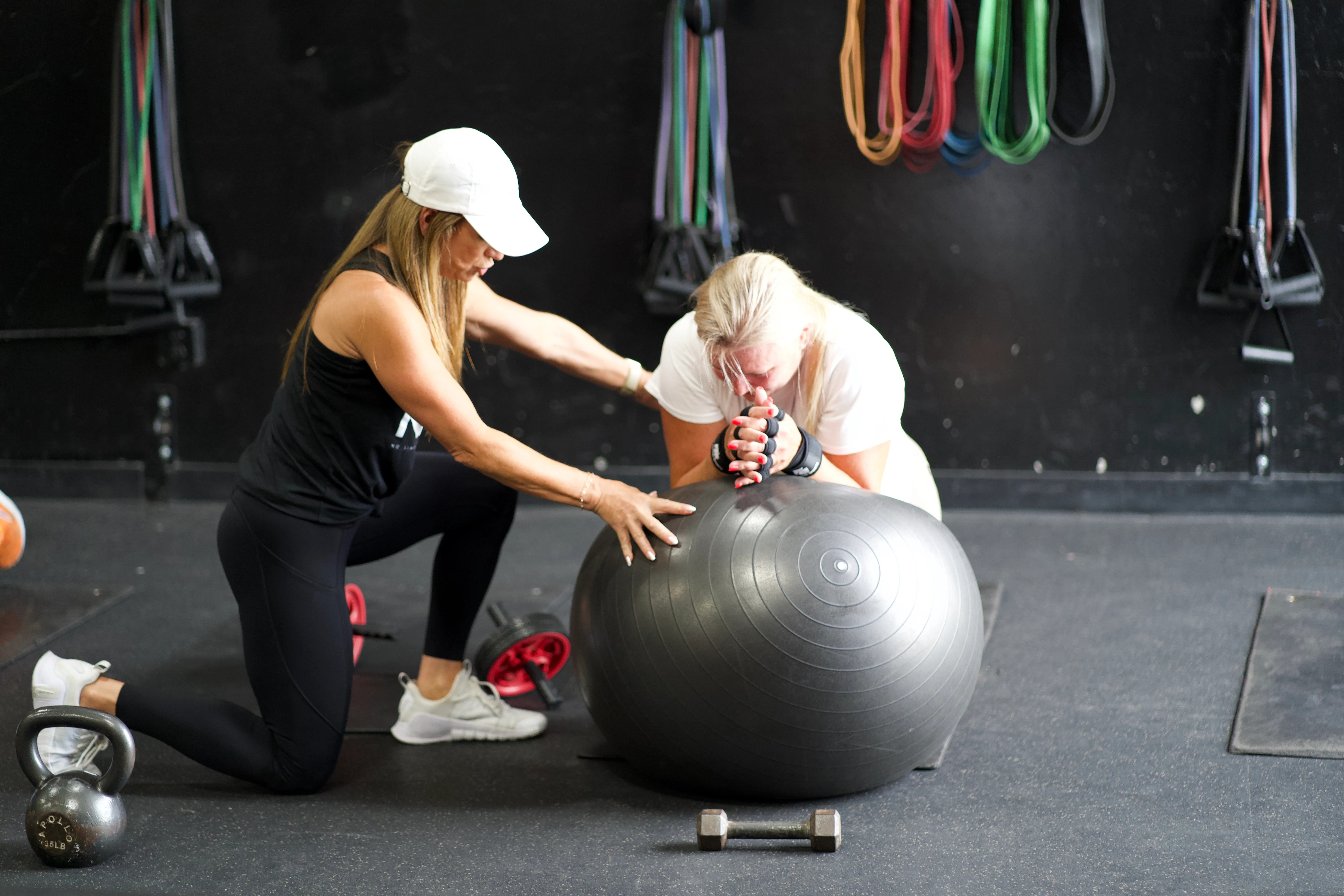
Breathing techniques work on their own. But combined with consistent exercise, their effect on anxiety is significantly amplified.
Research consistently shows that adults who train regularly have lower baseline cortisol levels, healthier resting breathing patterns, and significantly lower rates of anxiety than sedentary adults. Regular training puts your body through a controlled stress response and teaches your nervous system to handle it more efficiently over time. That improved resilience carries over into everyday life.
Read our post on how exercise helps overcome depression and anxiety for a deeper look at the specific mechanisms behind this. The research is genuinely compelling and goes well beyond mood alone.
If you are looking for more practical strategies for managing the stress that comes with busy adult life, our posts on ways to destress as a busy adult and simple ways to increase happiness are worth reading alongside this one.
Simple Ways to Practice Better Breathing Every Day
You do not need to block out time or sit in silence to benefit from better breathing. Here are a few easy ways to build the habit into your existing day.
Use red lights as a breathing cue. Every time you stop at a traffic light, take three slow abdominal breaths before the light turns green. This one habit alone can shift your commute from a stress accumulator into a regular reset.
Start each workout with two minutes of deliberate breathing. Before you touch a weight or step on a treadmill, take six slow deep breaths. This lowers cortisol, activates the parasympathetic nervous system, and prepares your body and mind to train at a higher level.
Use extended exhales when stress peaks. In any high-pressure moment, a single breath with an exhale that is twice as long as the inhale produces an immediate calming effect. Inhale for four counts, exhale for eight. It works during difficult conversations, before presentations, or in any moment where you feel tension rising.
Before sleep, practice five minutes of abdominal breathing. Many adults carry the stress of the day into the bedroom and wonder why they cannot wind down. Five minutes of deliberate slow breathing before sleep signals the body that the day is done and it is safe to rest.
How NLPT Supports Mental and Physical Health Together
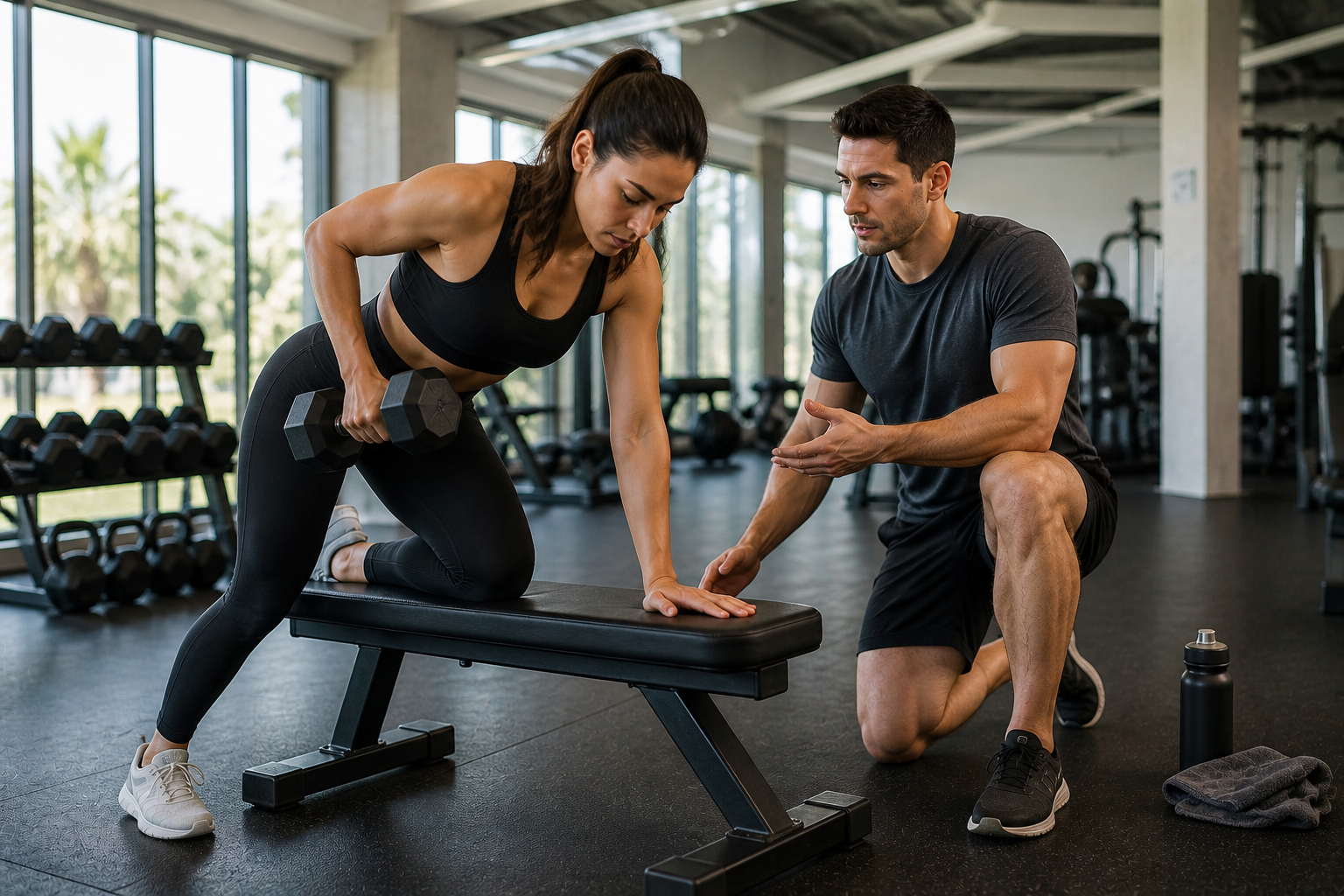
At No Limit Personal Training, we understand that mental and physical health are connected at every level. How you manage stress affects how you recover from training. The way you train shapes how you handle stress outside the gym. And your breathing connects both of those things directly.
Our coaches work with members across Placentia, Anaheim Hills, and Orange who are managing anxiety, high-stress jobs, and busy family lives alongside their fitness goals. Training at NLPT gives you a structured, coached environment where you can decompress, reset, and build the kind of physical resilience that makes everyday stressors feel more manageable.
Our group fitness classes in Orange and HIIT group training in Orange are coached from start to finish so you never have to think about what to do next. Just show up and train.
If you still have trouble managing anxiety and stress on your own, working with a personal trainer or fitness coach who understands the full picture of your health is one of the most effective steps you can take. We are here for exactly that.
Who This Is For
This post is for adults who deal with regular stress and anxiety and want practical tools that actually work. It is for people who want to feel calmer, more focused, and more in control without relying solely on medication or willpower.
It may be for you if you:
- Feel anxious or stressed regularly and want simple techniques to manage it
- Notice tension, shallow breathing, or a racing mind before or after workouts
- Want to understand how exercise and breathing work together for mental health
- Live near Placentia, Orange, Anaheim Hills, Villa Park, or Yorba Linda
- Want a training environment that supports your mental health alongside your physical goals
What to Do Next
Breathing correctly is free, immediate, and available to you right now. Start with the abdominal breathing technique today and practice it consistently for two weeks. Most people notice a real change in their baseline anxiety level within that window.
If you want to pair better breathing with a training program that supports your whole health, we are ready when you are. You can reach us at (714) 909-1203 or email info@nolimitpt.com. We are at 980 S Via Rodeo, Placentia CA, just minutes from Orange, Anaheim Hills, and Yorba Linda.
Breathe right. Train smart. Feel better.
Frequently Asked Questions
Can breathing really help fight anxiety?
Yes. Deliberately slowing and deepening your breath activates the parasympathetic nervous system, which counteracts the fight or flight response that drives anxiety. Research confirms that diaphragmatic breathing produces immediate reductions in heart rate, cortisol, and perceived anxiety. It is one of the most accessible and evidence-backed tools available.
Why do people breathe incorrectly when anxious?
When anxiety or stress activates the fight or flight response, breathing naturally becomes faster and shallower as the body prepares for perceived danger. This pattern reduces oxygen efficiency, raises carbon dioxide levels, and reinforces the nervous system’s stressed state, making anxiety worse rather than better.
How quickly does better breathing work for anxiety?
Most people notice an immediate calming effect within a few slow abdominal breaths. The deeper benefits build with consistent practice over days and weeks as correct breathing gradually replaces the shallow chest breathing pattern that anxiety reinforces.
Does exercise help with anxiety as much as breathing techniques?
Both are effective and they work better together. Exercise lowers baseline cortisol and trains the nervous system to handle stress more efficiently over time. Breathing techniques provide immediate relief in acute moments. Combining consistent training with deliberate breathing practice produces better anxiety management than either approach alone.
How does working with a personal trainer help with stress and anxiety?
A consistent training routine provides structure, physical exertion, and a regular stress and recovery cycle that builds nervous system resilience over time. A coach also provides accountability and a supportive environment, both of which reduce the isolation that often accompanies anxiety.