Hey, Sako here. Hope life is going well and you are making progress toward your goals.
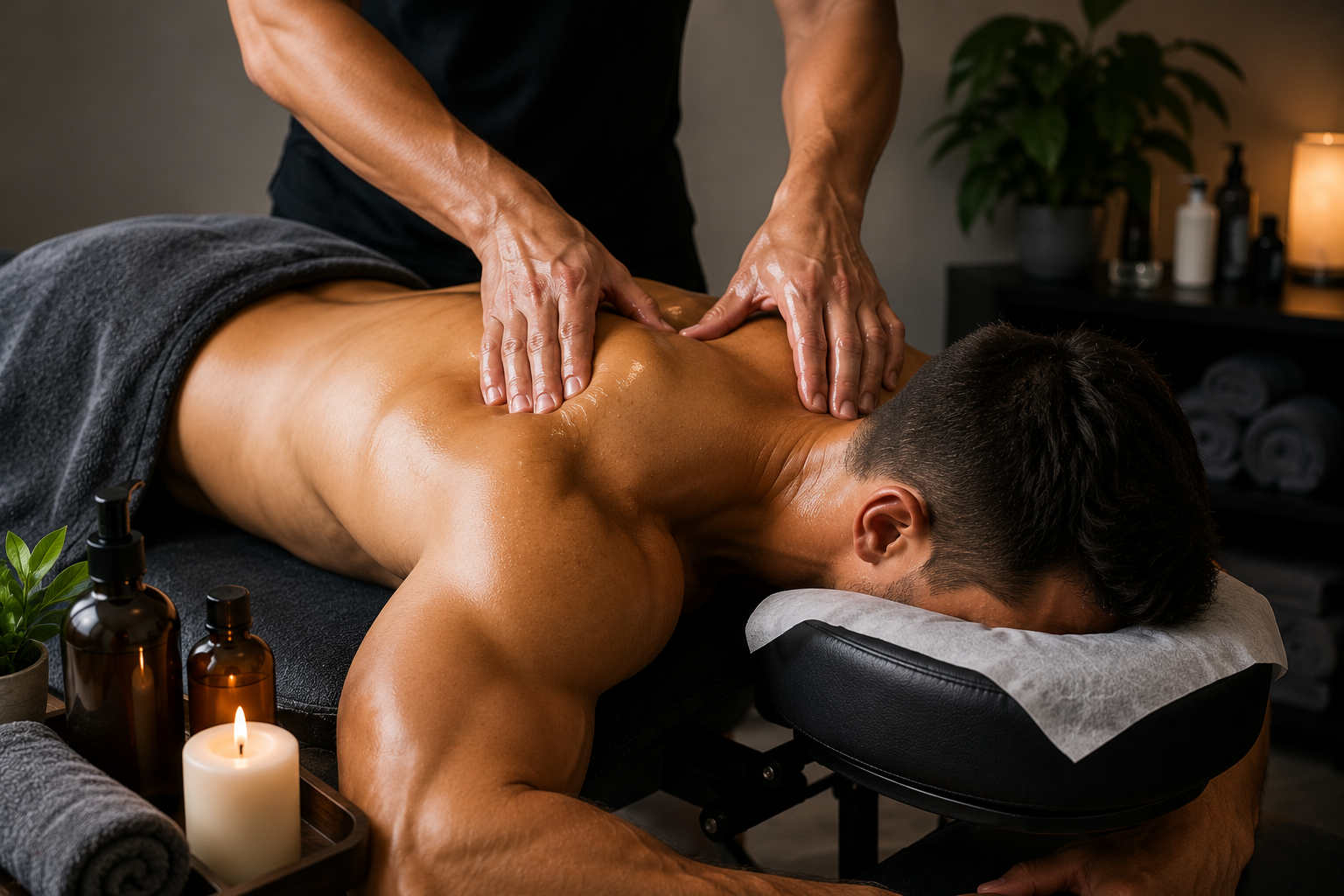
I want to share something that does not get talked about enough in fitness circles: massage therapy. Not as a luxury. As a legitimate part of your recovery strategy.
A while back, one of our No Limit clients shared some insights on how massage therapy supports everything we do in the gym. The more I looked into it, the more the research backed it up. So here is the full picture, because if you are training hard and not recovering smart, you are leaving results on the table.
Whether you are doing personal training in Yorba Linda and Placentia or just getting after it on your own, this applies to you. Claim your free week at NLPT and talk to our coaches about building a complete recovery routine alongside your training.
Why Recovery Is Half the Work
A lot of people think the workout is where results are made. It is not. The workout is where the stimulus happens. The results come from what your body does between sessions when it repairs, rebuilds, and adapts.
If your recovery is poor, your results will be poor regardless of how hard you train. Poor sleep, chronic soreness, skipped rest days, and no intentional recovery work all slow the process down. Massage therapy, when added consistently, addresses several of the most common recovery bottlenecks at once.
Think about how often you should train to see results and then think about how many of those sessions you are recovering from properly. For most adults the honest answer is not enough.
4 Ways Massage Therapy Makes Your Training Better
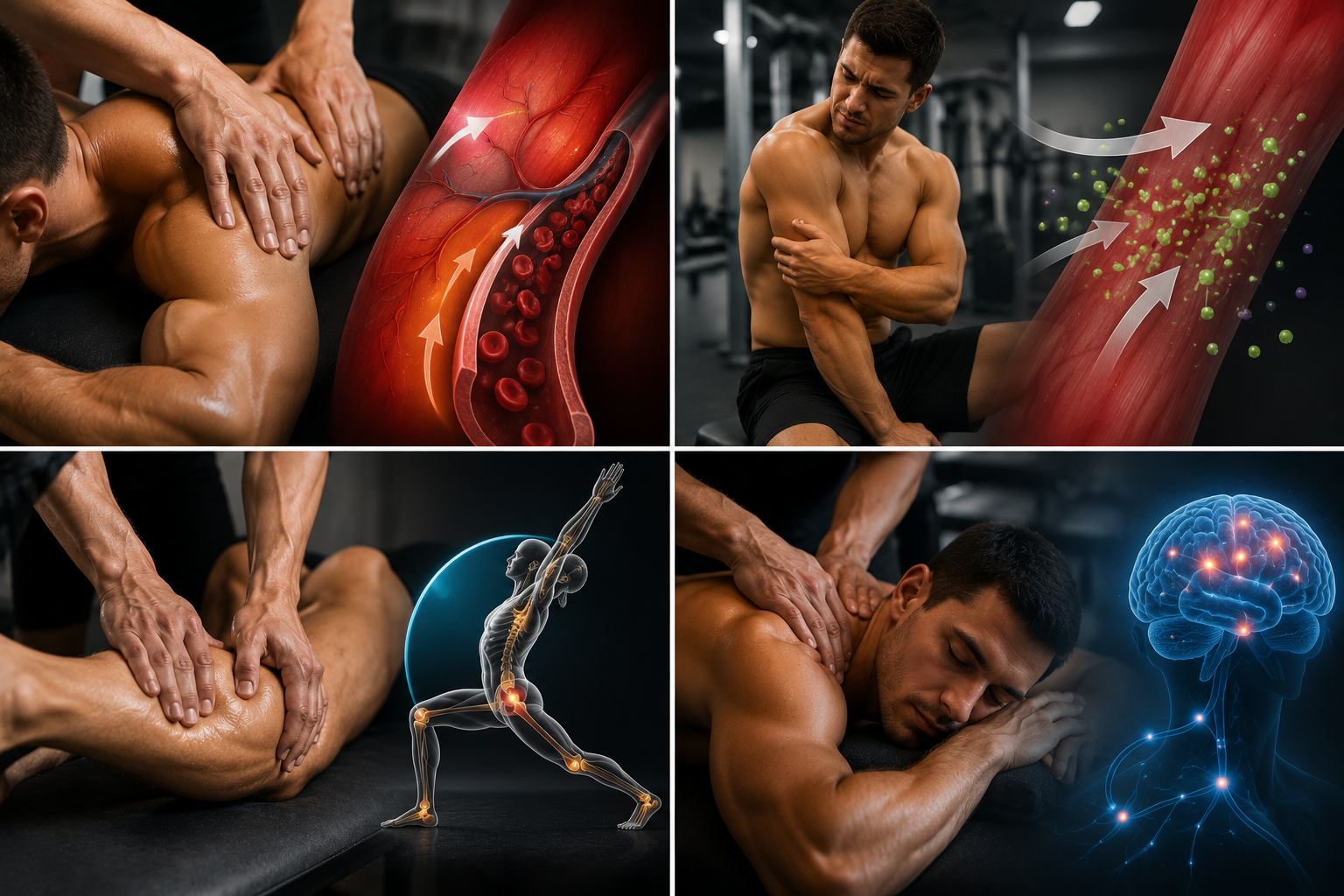
1. It Gets More Nutrients to Your Muscles Faster
After a hard workout your muscles are in repair mode. They need a steady supply of oxygen and specific compounds including nitrogen and phosphorus to rebuild tissue and grow stronger.
Massage increases local blood circulation to the muscles being worked on. Research published in the Journal of Athletic Training confirmed that massage meaningfully increases blood flow to skeletal muscle and enhances the delivery of nutrients needed for tissue repair. More nutrient delivery in the hours after training means faster rebuilding and better results from the same workout.
2. It Shortens Recovery Time Between Sessions
Lactic acid and other metabolic byproducts accumulate in muscle tissue during intense exercise. These are a primary driver of that heavy, sore feeling in the 24 to 48 hours after a tough session.
Massage accelerates the clearance of these waste products by moving them out of the muscle tissue and back into circulation for processing. A meta-analysis in Frontiers in Physiology reviewed 99 studies and found massage was the most effective recovery intervention tested for reducing delayed onset muscle soreness, outperforming cold water immersion, compression, and stretching alone.
If you are aiming for training three to four times per week and find soreness is limiting your ability to show up consistently, this is the most direct intervention available.
3. It Improves Flexibility and Range of Motion
Massage directly lengthens muscle fibers and connective tissue through a combination of mechanical pressure and improved hydration of the joints. Adhesions, which are small areas of stuck-together tissue that develop in muscles under regular training stress, get broken down in the process.
Research published in the International Journal of Sports Physical Therapy found that a single massage session produced measurable increases in range of motion and muscle flexibility in healthy adults. Over time with regular sessions, these improvements compound and translate directly into better movement quality in training, reduced injury risk, and more effective workouts because your body can move through its full range.
4. It Calms Your Nervous System and Reduces Pain
Hard training does not just tax your muscles. It taxes your nervous system. Over time, without intentional recovery, the nervous system stays in an elevated state that contributes to fatigue, irritability, disrupted sleep, and reduced performance in the gym.
Massage activates the parasympathetic nervous system, your body’s rest and repair mode, and triggers the release of endorphins, serotonin, and oxytocin. A 2020 review in the Journal of Clinical Medicine found that massage significantly reduced cortisol levels and improved subjective measures of fatigue, pain, and psychological wellbeing in athletes and active adults.
Less pain, better mood, lower cortisol, and better sleep after a massage session all compound over time into meaningfully better training and faster body composition changes.
How Often Should You Get a Massage
For adults training two to four times per week, one massage session every two to four weeks produces noticeable recovery benefits. If you are training hard, dealing with chronic soreness, or working through a specific tight area, weekly sessions will produce faster improvement.
The key is consistency. One massage a year is a treat. Regular massage as part of your routine is a recovery tool with compounding benefits the same way regular training produces compounding fitness gains.
What NLPT Offers for Recovery
At No Limit Personal Training we take recovery seriously because we know results come from training and recovery working together, not training alone.
We offer NormaTec recovery at NLPT, which uses dynamic air compression to accelerate muscle recovery between sessions. It is one of the same tools used by professional athletes and a great complement to massage therapy for anyone training consistently.
Our group fitness classes in Villa Park and across our Orange County locations always include intentional warm-up and cool-down protocols because how you treat your body before and after the work matters just as much as the work itself.
Who This Is For
This post is for anyone who is training consistently and wants to get more out of every session. It is for adults who deal with lingering soreness, tight muscles, or feel like their body is not recovering the way it used to.
It may be for you if you:
- Train regularly but feel constantly sore or fatigued between sessions
- Want to improve flexibility and range of motion alongside fitness
- Are over 40 and notice recovery takes longer than it once did
- Live near Placentia, Orange, Anaheim Hills, Villa Park, or Yorba Linda
- Want a complete fitness approach that includes smart recovery
What to Do Next
Fitness is not just what happens in the gym. It is everything that supports it: your nutrition, your sleep, and your recovery. Massage therapy fits right into that picture and the research backs it up fully.
If you have never made it a regular habit, start with one session and pay attention to how your body responds in the next 48 hours. Most people notice the difference immediately.
Claim your free week at No Limit Personal Training today. Talk to our coaches about your full training and recovery approach. We are at 980 S Via Rodeo, Placentia CA. Call us at (714) 909-1203 or email info@nolimitpt.com.
Train hard. Recover smarter. That is where the results live.
Frequently Asked Questions
Does massage therapy actually help with muscle recovery after exercise?
Yes. Research confirms massage increases nutrient delivery to muscles, speeds clearance of metabolic waste products like lactic acid, and reduces delayed onset muscle soreness more effectively than most other recovery methods including cold water immersion and stretching alone.
How soon after a workout should you get a massage?
Light to moderate massage can be done the same day as training and is particularly effective in the 24 to 48 hour window when soreness typically peaks. Deeper work is best done on rest days or at least several hours after a hard session.
How often should you get a massage if you train regularly?
For adults training two to four times per week, one session every two to four weeks produces meaningful recovery benefits. Those dealing with high training loads or chronic soreness benefit from weekly sessions.
Can massage therapy help with flexibility and range of motion?
Yes. Research shows massage directly lengthens muscle fibers, breaks down adhesions in connective tissue, and improves joint hydration, all of which increase range of motion. These improvements compound over time with regular sessions.
Does massage help reduce stress and improve sleep?
Yes. Massage activates the parasympathetic nervous system, lowers cortisol, and triggers release of endorphins and serotonin. Studies consistently show reductions in stress, pain, and fatigue after massage sessions, with improvements in sleep quality over time with regular use.