Training hard is only half the equation. What you eat between sessions determines how well your body repairs itself, how much energy you bring to the next workout, and how much of that effort actually turns into real results.
Most people focus on the workout and treat food as an afterthought. But your muscles are built in the kitchen just as much as they are built in the gym. The right foods give your body the raw materials it needs to get stronger, recover faster, and keep showing up consistently.
At No Limit Personal Training in Placentia, we help our members connect their training with the right nutrition habits. Book your complimentary session and let our coaches help you put both pieces together.
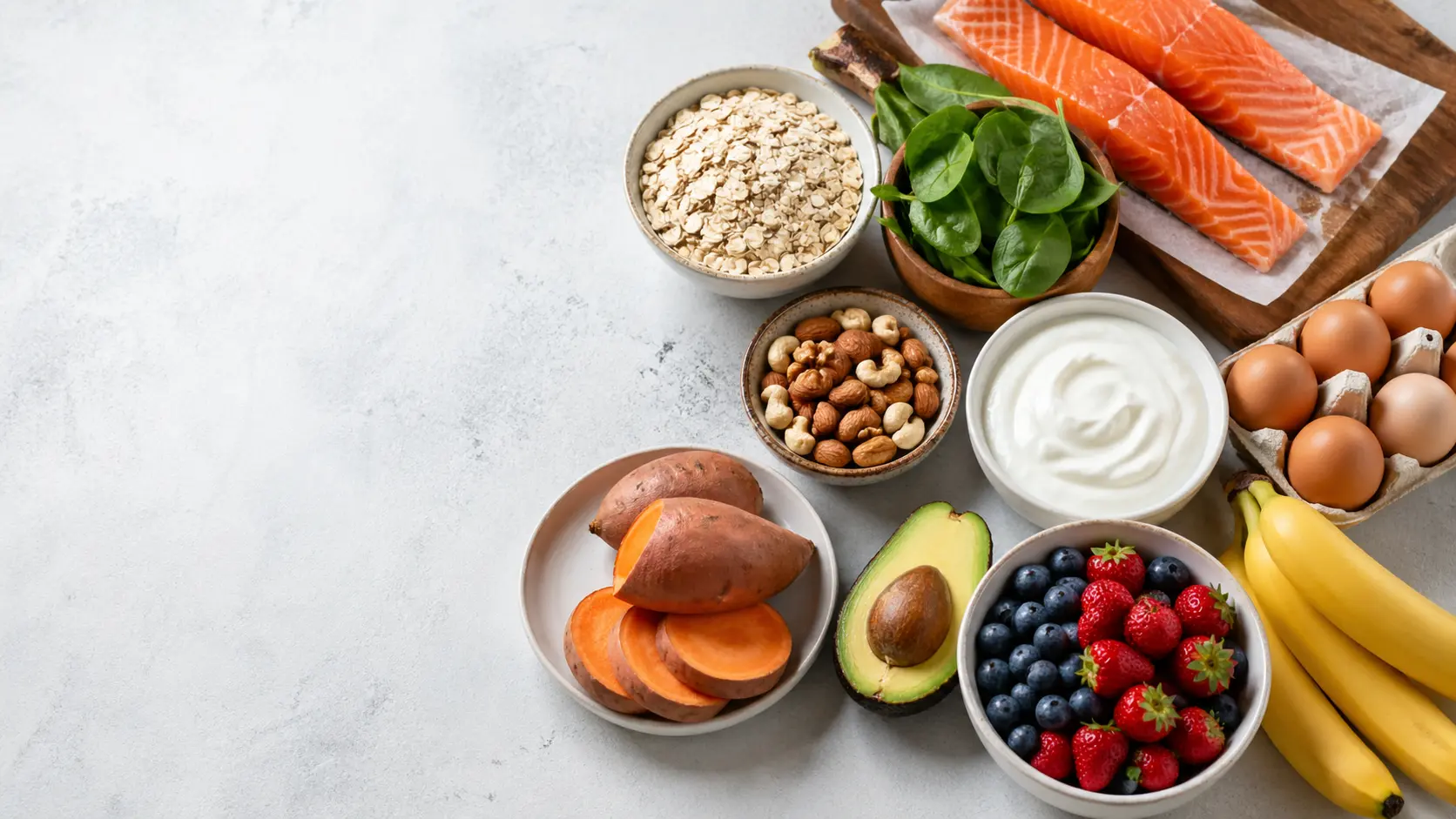
Here are 10 amazing foods that make a real difference.
1. Eggs
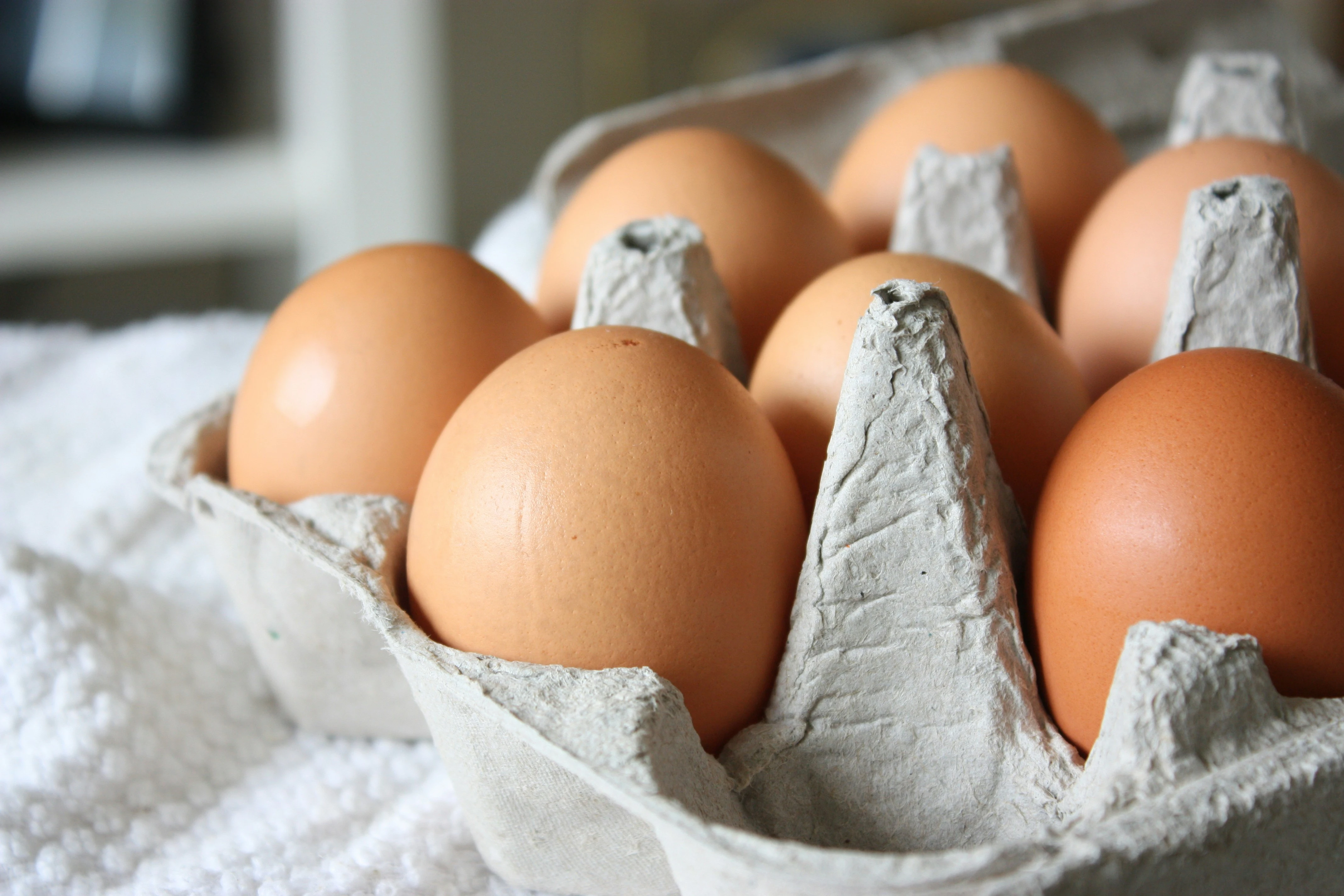
Eggs are one of the most complete protein sources available. A single egg contains around 6 grams of high-quality protein and all nine essential amino acids your body needs to repair and build muscle tissue after training.
The yolk matters too. It contains vitamin D, B12, choline, and healthy fats that support hormone function, brain health, and energy. Whole eggs are one of the most nutrient-dense foods you can eat for the cost, and they are fast to prepare.
Two to three eggs at breakfast is a simple habit that sets up your protein intake for the entire day.
2. Salmon
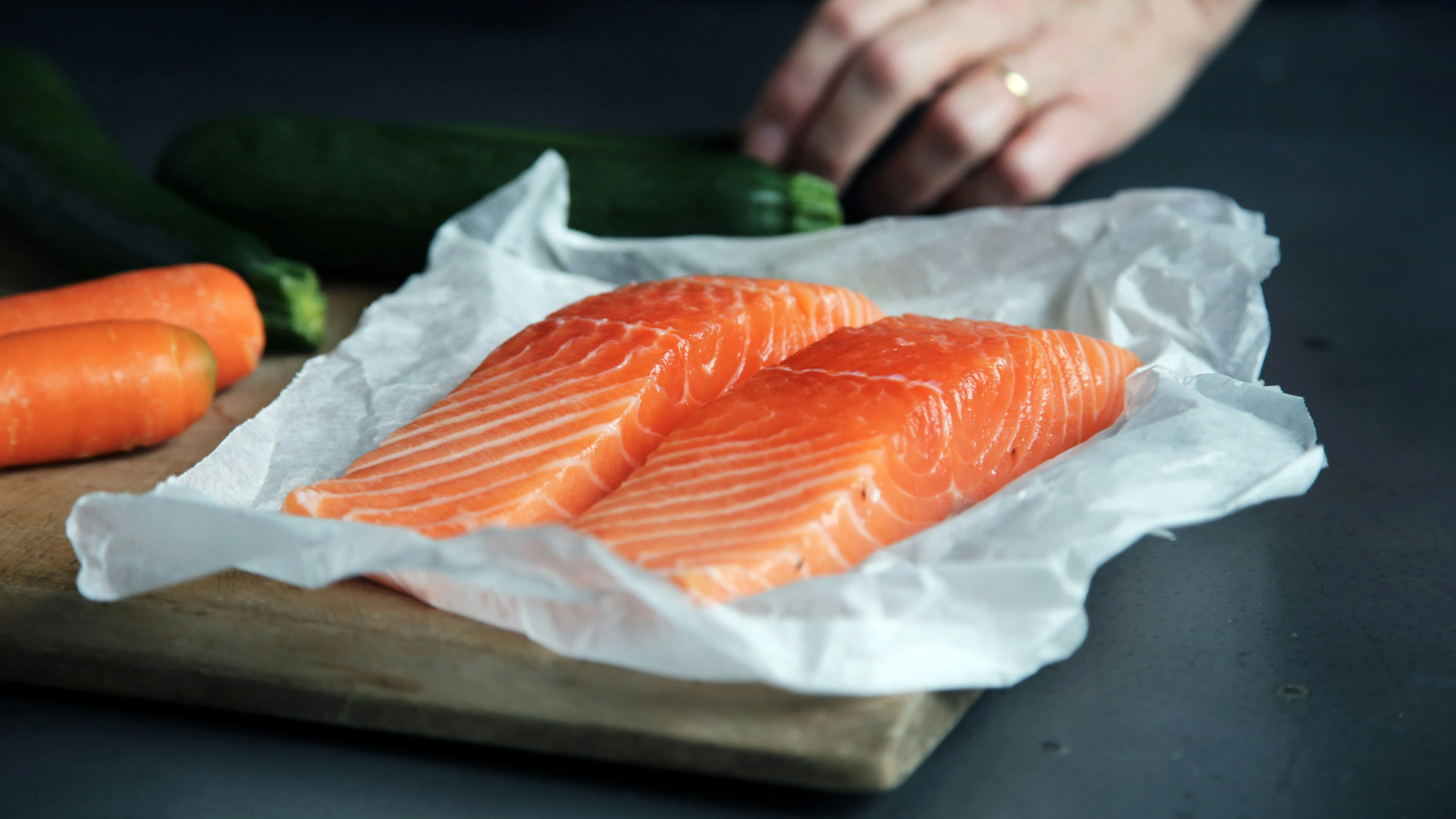
Salmon is one of the best foods for anyone who trains regularly. It delivers around 25 grams of protein per serving alongside a rich supply of omega-3 fatty acids, specifically EPA and DHA.
Research published in the Journal of the International Society of Sports Nutrition found that omega-3 supplementation significantly reduced muscle soreness and improved recovery after resistance training. Getting those same omega-3s from whole food sources like salmon is even better because the food comes with additional nutrients including B vitamins, selenium, and potassium.
Aim for fatty fish like salmon, sardines, or mackerel at least twice a week to support recovery and reduce inflammation naturally.
3. Greek Yogurt
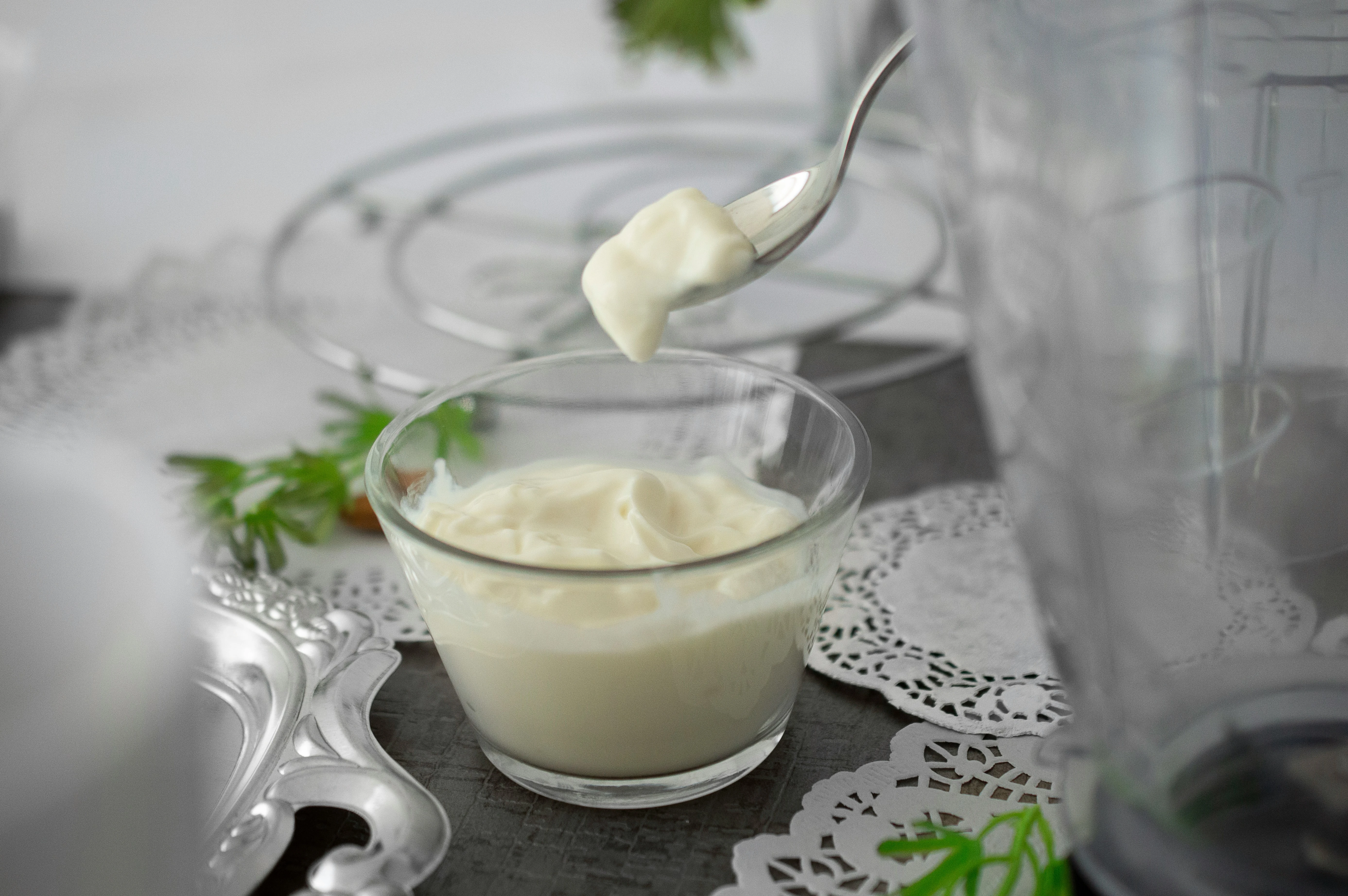
Greek yogurt is a practical, high-protein food that works at almost any time of day. A single cup of plain Greek yogurt contains 17 to 20 grams of protein, making it one of the easiest ways to hit your daily protein target without cooking anything.
It also contains casein protein, which digests slowly and provides a sustained release of amino acids. Research suggests that a casein-rich snack before bed can improve overnight muscle recovery and reduce next-day soreness.
Choose plain unsweetened Greek yogurt and add berries, nuts, or a drizzle of honey rather than flavored varieties loaded with added sugar.
4. Sweet Potatoes
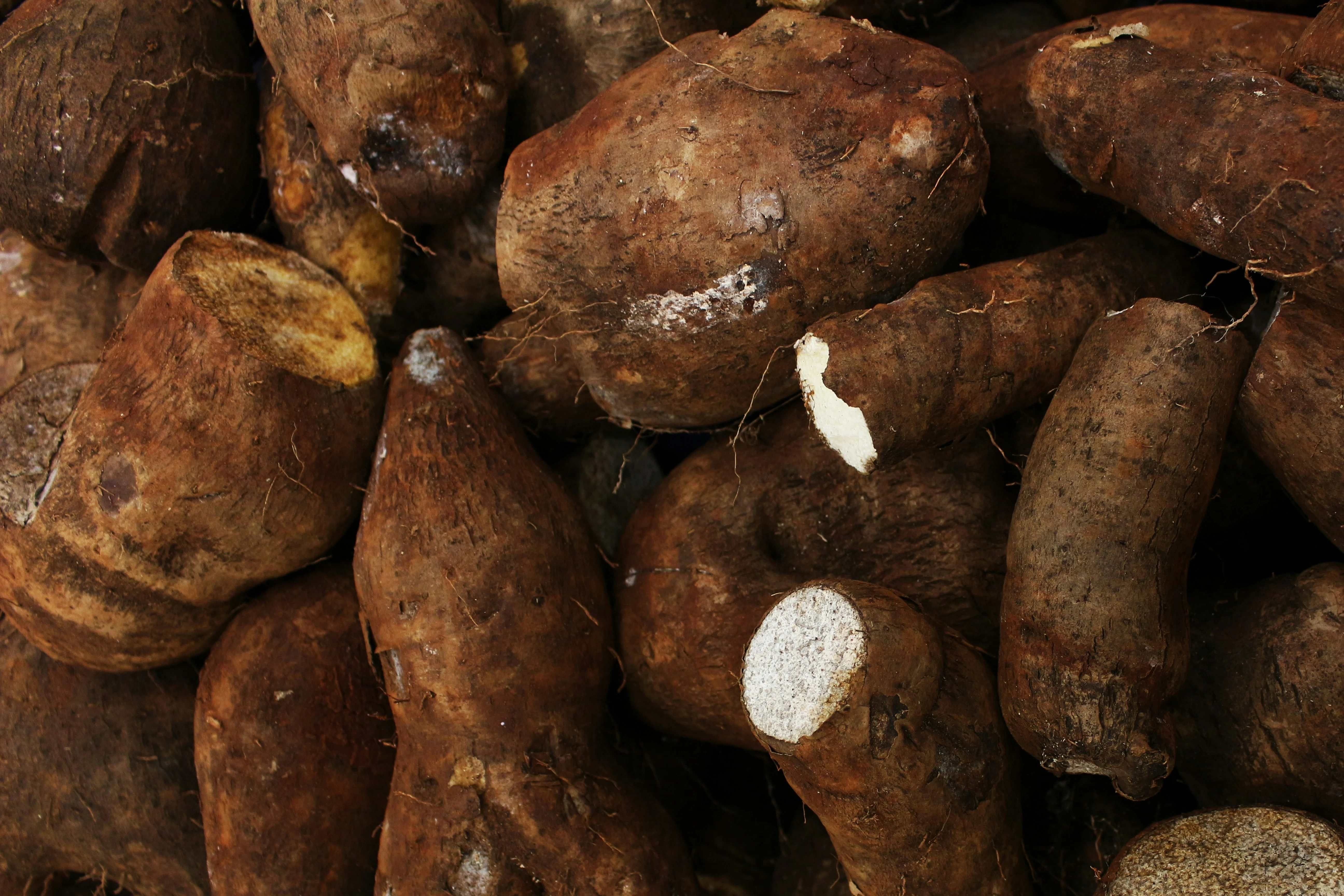
Sweet potatoes are one of the best carbohydrate sources for people who train. They are rich in complex carbohydrates that replenish muscle glycogen after exercise, meaning your muscles get refueled without the blood sugar crash that comes from processed carbs.
They are also high in potassium, which helps with muscle contraction and fluid balance, and beta-carotene, a powerful antioxidant that supports immune function and recovery. The fiber content keeps you full and helps stabilize blood sugar throughout the day.
A medium sweet potato as part of your post-training meal is a simple, effective way to refuel without overthinking it.
5. Spinach
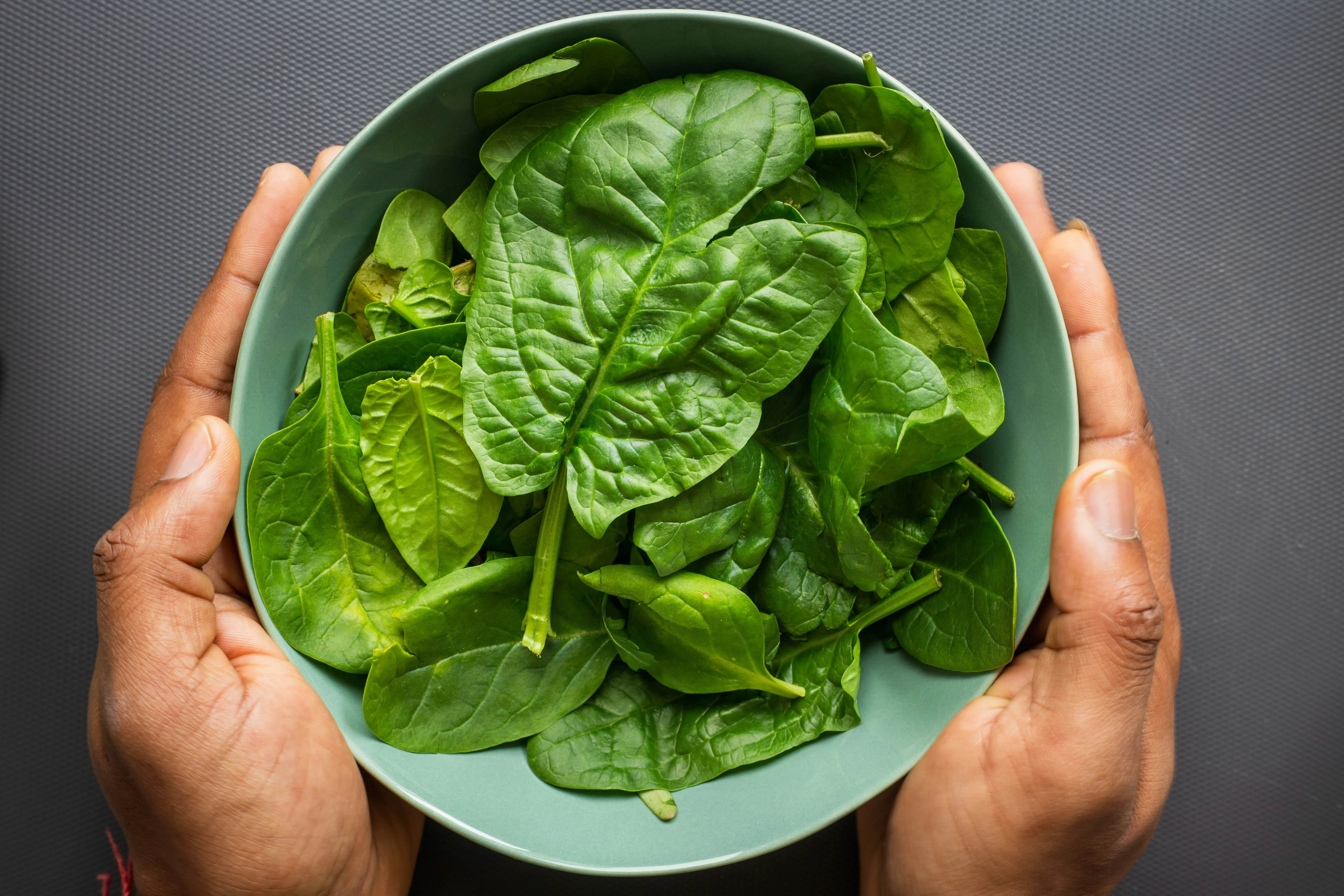
Spinach is one of the most underrated training foods. It is packed with magnesium, iron, vitamin K, and antioxidants that support muscle function, energy production, and recovery.
Research has found that a compound in spinach called ecdysterone may have muscle-building effects. Adults who strength trained alongside spinach extract supplementation showed greater gains in muscle mass and strength compared to those who trained without it.
Beyond that, magnesium alone is worth the attention. Most adults do not get enough of it, and magnesium deficiency is directly linked to poor sleep, muscle cramps, and low energy, all of which hurt training performance and recovery. Adding spinach to eggs, smoothies, or salads is one of the easiest upgrades you can make to your daily diet.
6. Chicken Breast
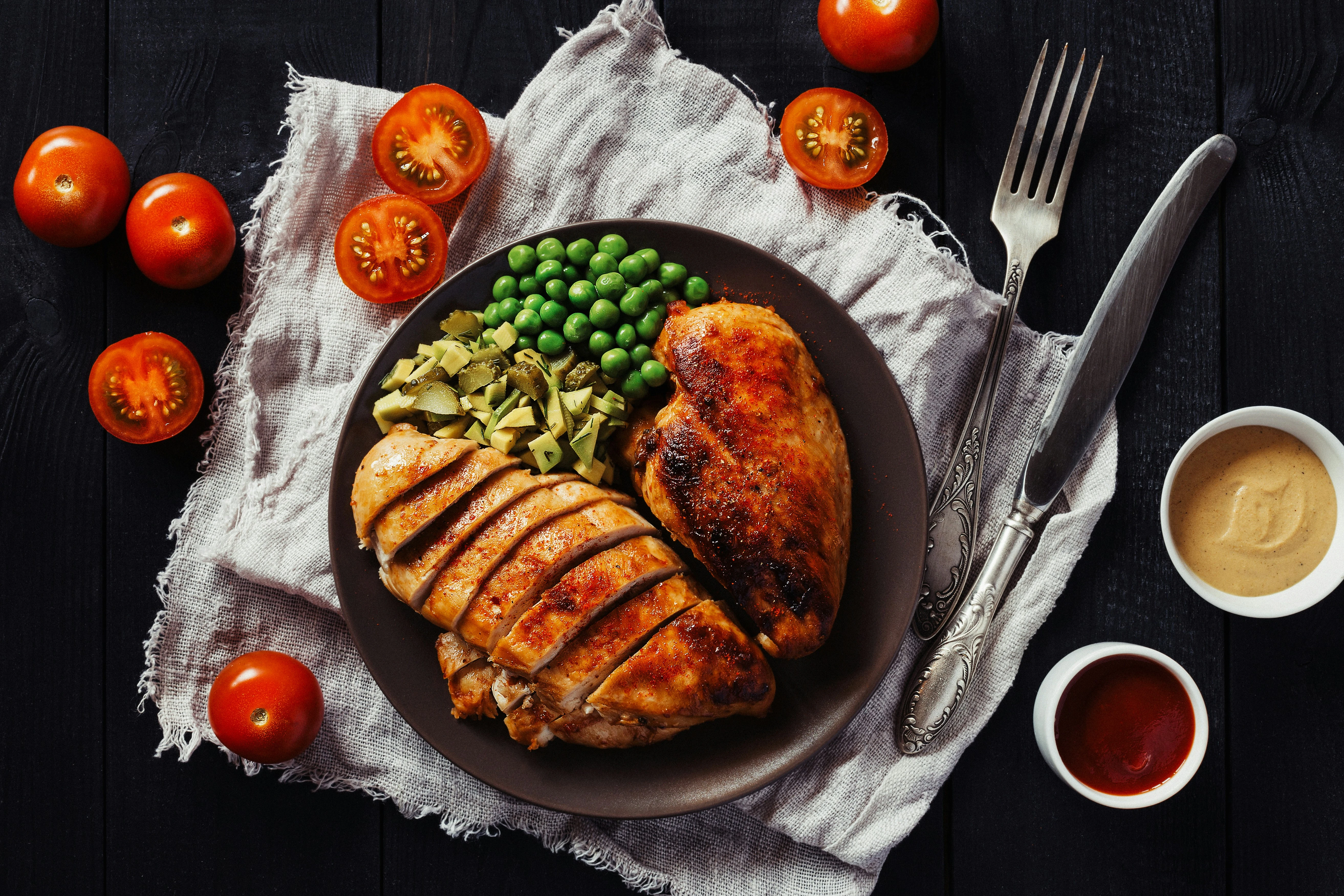
Chicken breast is the most practical high-protein food for anyone training consistently. A single 4-ounce serving contains around 35 grams of lean protein with minimal fat, making it easy to hit your daily protein target without significantly increasing overall calories.
Protein is the foundation of everything we talk about when it comes to protein and strength training. Without enough of it, your body cannot repair the muscle damage that training creates, which means workouts produce less adaptation over time.
Roast a tray of chicken thighs or breasts once a week and you have a versatile protein source ready for meals and snacks throughout the week with almost no daily effort.
7. Blueberries
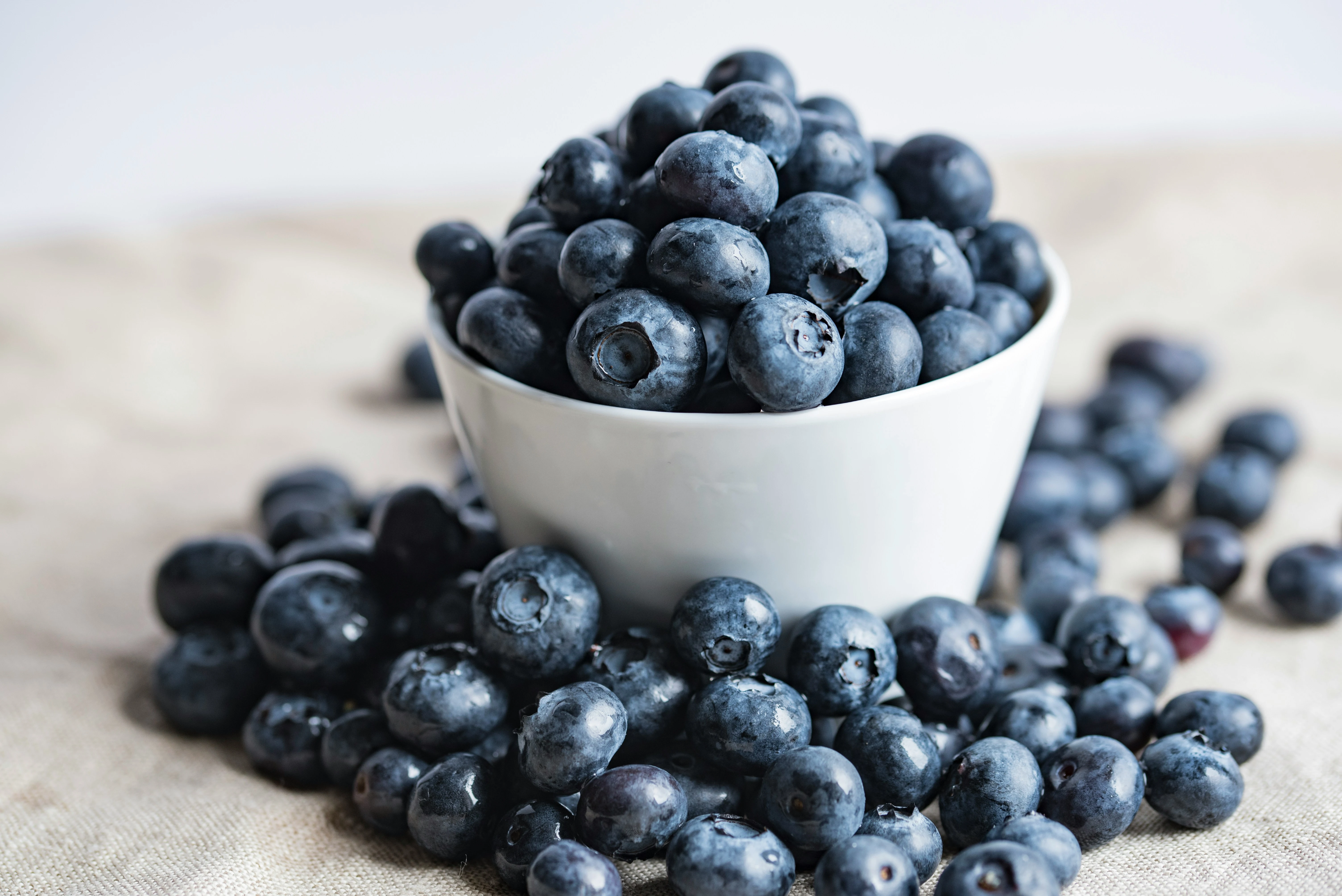
Blueberries are small but genuinely powerful for recovery. They are one of the richest sources of antioxidants available, particularly anthocyanins, which reduce exercise-induced inflammation and oxidative stress in muscle tissue.
A study published in the Journal of the International Society of Sports Nutrition found that blueberry consumption significantly reduced muscle damage markers and improved recovery in athletes following intense exercise. The anti-inflammatory effect is real and meaningful for anyone training multiple times per week.
Adding a handful of blueberries to Greek yogurt, oatmeal, or a protein smoothie is a fast, no-effort way to support your recovery between sessions.
8. Cottage Cheese

Cottage cheese is one of the most protein-dense foods per calorie available. Half a cup contains around 14 grams of protein and is particularly high in casein, the slow-digesting protein that feeds your muscles during periods of rest and overnight recovery.
It is also a good source of calcium, which supports bone density, and phosphorus, which plays a role in energy metabolism. For adults who train regularly and want to protect their bones and muscles over the long term, cottage cheese is one of the most practical foods to have on hand.
Eat it as a snack with fruit, mix it into eggs before scrambling, or use it as a high-protein base for bowls and salads.
9. Oats
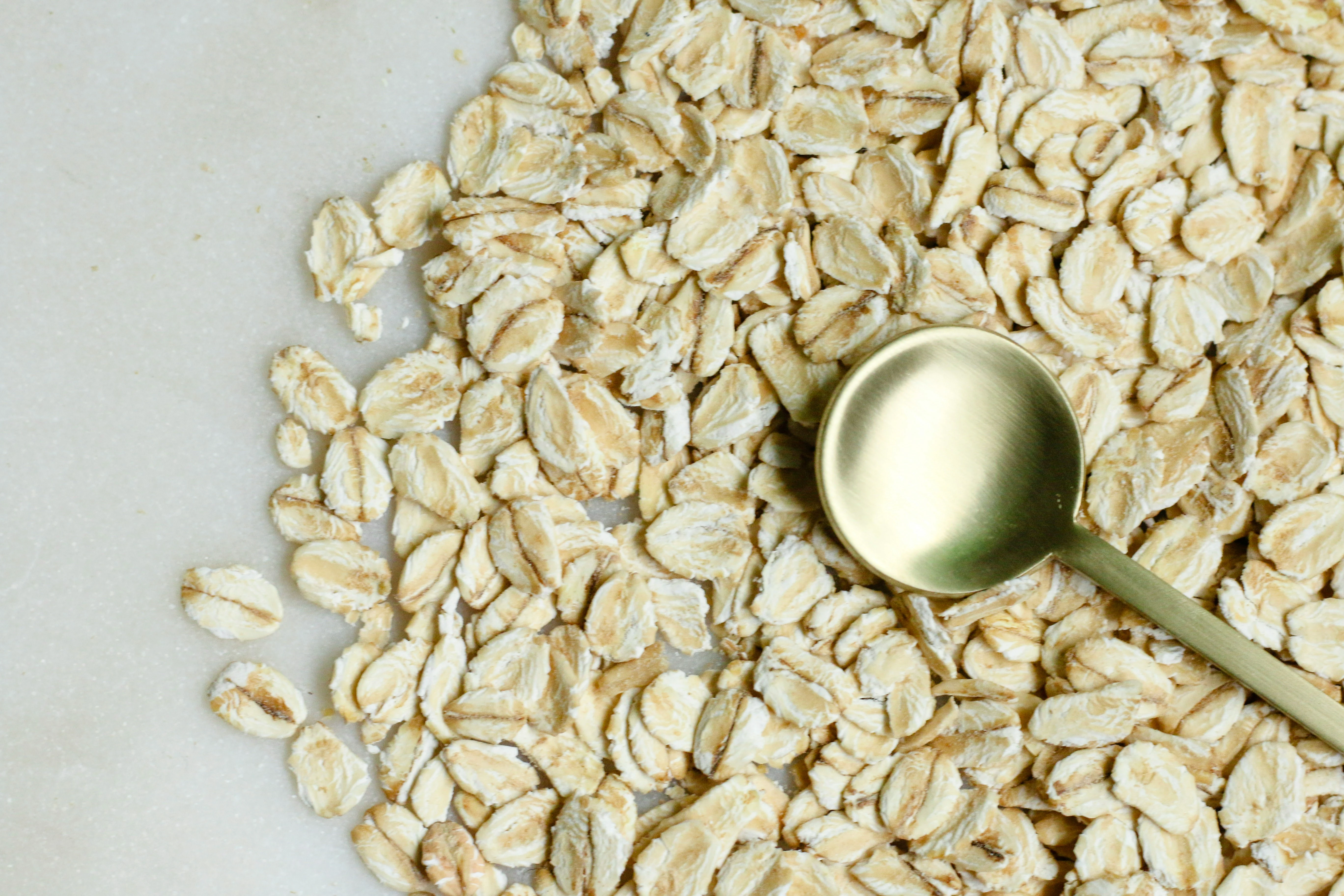
Oats are one of the best pre-training foods available. They are rich in complex carbohydrates that provide steady, sustained energy without spiking blood sugar before a workout. They also contain beta-glucan fiber, which supports gut health, cholesterol levels, and immune function.
The combination of slow-digesting carbs and moderate protein makes oats particularly useful for people training in the morning who need fuel without feeling heavy or bloated during the session.
A bowl of oats with a scoop of protein powder and some berries is a complete pre-workout meal that takes five minutes to prepare and keeps energy levels stable for two to three hours.
10. Almonds
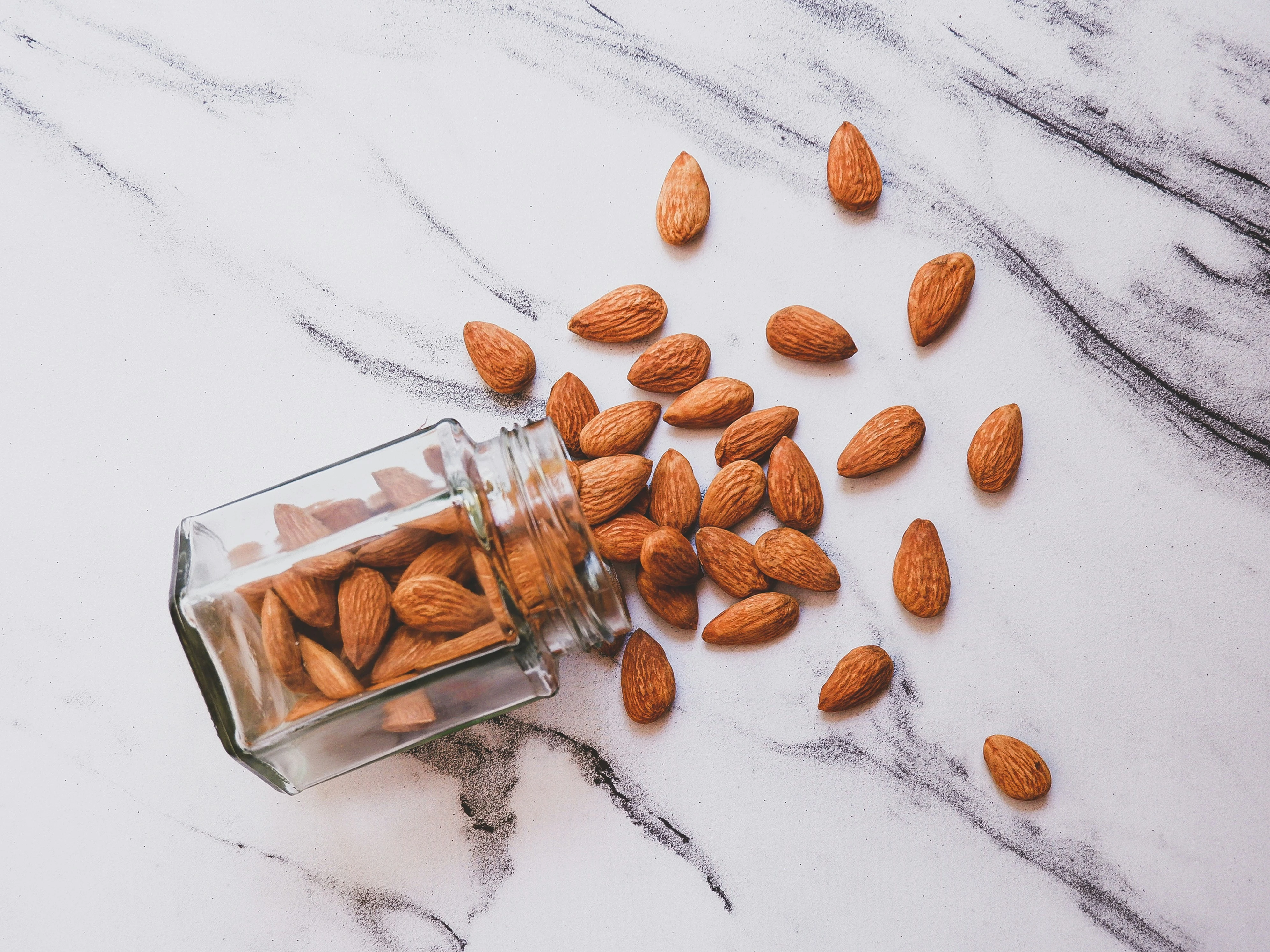
Almonds are one of the most convenient and nutrient-dense snacks for people who train regularly. A small handful provides healthy fats, protein, magnesium, and vitamin E, a powerful antioxidant that research has shown helps protect muscle cells from exercise-induced damage.
Research from San Diego State University is currently examining whether almonds as a post-workout snack can promote muscle gain and strength improvements over an eight-week training program, building on earlier evidence suggesting their recovery benefits are meaningful.
They are also one of the best portable snacks for busy adults. No preparation, no refrigeration, and easy to pair with fruit or yogurt for a balanced snack that supports blood sugar stability and recovery between meals.
For adults looking to go beyond food and explore what targeted supplements can add, our post on supplements that actually work breaks down the options worth considering.
Putting It All Together
None of these foods require a complicated meal plan or hours of preparation. The pattern they all share is simple: real whole food, adequate protein at every meal, plenty of vegetables and fruit, and smart carbohydrates around training.
That foundation, combined with consistent strength training and enough sleep, is what actually produces the results most people are chasing.
Our nutrition coaching at NLPT through Coach Kristin helps members build exactly this kind of practical, sustainable eating approach alongside their training. It is not about restriction. It is about fueling the work you are already putting in.
Who This Is For
This post is for anyone who trains consistently and wants their food to actually support what they are doing in the gym. It is for people who feel like they are working hard but not recovering well or seeing the results they expect.
It may be for you if you:
- Feel tired or sore between sessions more than you should
- Are not sure which foods actually make a difference for training
- Want simple, practical nutrition habits without a complicated plan
- Train in Placentia, Orange, Anaheim Hills, Villa Park, or anywhere in Orange County
- Want coaching support for both your training and your nutrition
What to Do Next
The foods in this list are not exotic or expensive. Most of them are already available in any grocery store and can be prepared in minutes. The key is making them a consistent part of how you eat rather than an occasional addition.
Book your complimentary personal training session at No Limit Personal Training today. You can also call us at (714) 909-1203 or email info@nolimitpt.com. We are at 980 S Via Rodeo, Placentia CA.
Train hard. Eat smart. The two work better together.
Frequently Asked Questions
What are the best foods to eat after a workout?
Foods high in protein and carbohydrates work best after training. Good options include Greek yogurt with fruit, eggs with sweet potato, salmon with rice, or a protein smoothie with a banana. The goal is to repair muscle tissue and replenish energy stores within a couple of hours after your session.
How much protein do I need if I am strength training?
Active adults who strength train regularly should aim for roughly 1.4 to 2.2 grams of protein per kilogram of body weight per day. For most people that works out to between 95 and 130 grams daily spread across three to four meals.
Are whole foods better than protein supplements for recovery?
Whole foods are generally preferred because they come with additional nutrients that support overall health beyond just protein. Supplements can be a practical tool to close gaps when whole food intake falls short, but they work best as a complement to a solid real food diet rather than a replacement for it.
Which foods help reduce muscle soreness?
Foods rich in antioxidants and omega-3 fatty acids are most effective at reducing exercise-induced inflammation and soreness. Blueberries, salmon, tart cherry juice, spinach, and almonds are among the best researched options for supporting recovery and reducing delayed onset muscle soreness.
Does NLPT offer nutrition support alongside training?
Yes. Coach Kristin at NLPT offers private nutrition coaching designed around real food habits and practical guidance that fits your schedule and training goals.