You know that plate loaded down with holiday food is not doing you any favors. But it is easy to shrug it off when the food smells incredible, everyone around you is going back for seconds, and the season only comes once a year.
The problem is not one meal. It is what happens when you repeat that mindset across six to eight weeks of holiday events, work parties, family dinners, and leftover trays sitting on the kitchen counter.
Between Thanksgiving and New Year’s Day, the average American gains one to five pounds according to research cited across multiple studies. That weight is rarely lost afterward. It just stacks on top of last year’s holiday gain and the year before that.
Knowledge is one of the best tools you have. When you actually understand what is on your plate and what it does to your body, you make better decisions. Not out of guilt. Out of awareness.
At No Limit Personal Training in Placentia, we work with adults across Anaheim Hills, Orange, Villa Park, and Yorba Linda who want to enjoy the holidays without the annual weight gain that most people treat as inevitable. It is not inevitable. Here is what the food actually looks like.
What a Typical Thanksgiving Plate Actually Contains
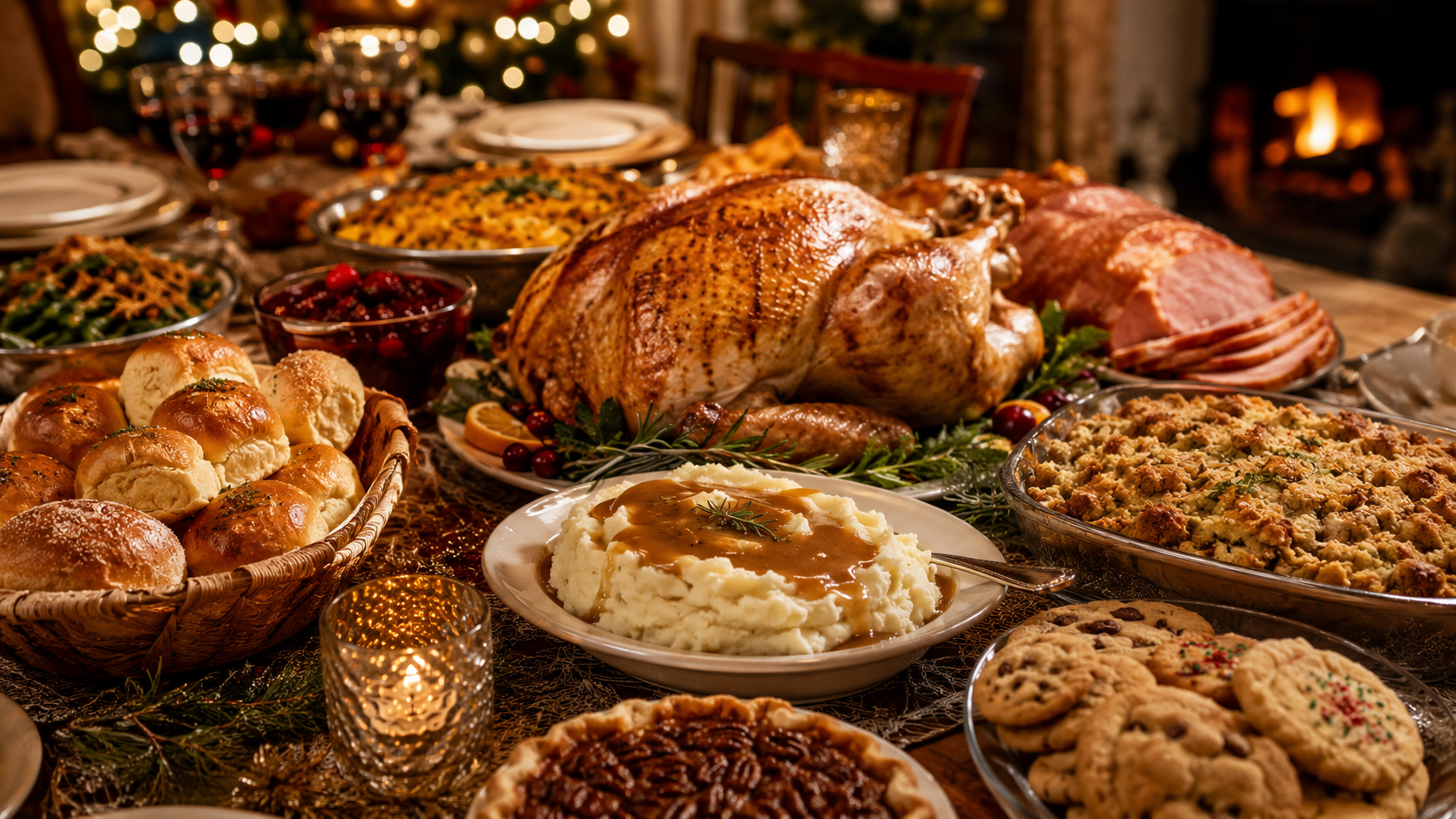
Let us look at a standard Thanksgiving dinner that most people would recognize. These are moderate, single-serving estimates based on current calorie data.
- Turkey, roasted, 6 ounces: 350 calories
- Stuffing, 1 cup: 350 calories
- Gravy, half a cup: 60 to 250 calories depending on homemade versus store-bought
- Mashed potatoes, half a cup: 120 calories
- Green bean casserole, half a cup: 90 calories
- Cranberry sauce, quarter cup: 100 calories
- Roll with butter: 150 to 200 calories
A single plate of modest servings using those numbers sits at roughly 1,200 to 1,500 calories before drinks or dessert.
According to research from the Calorie Control Council, the typical American actually consumes between 3,000 and 4,500 calories on Thanksgiving Day when appetizers, drinks, multiple servings, and dessert are factored in. A survey by Levity found the average American’s Thanksgiving dinner intake sits at 2,092 calories for the meal itself, with 14 percent of people planning to eat over 3,000 and 4 percent planning to eat over 5,000 calories in one day.
For context, that single day at the high end represents nearly two days worth of calories for most adults.
What About Dessert
Nobody stops at the main meal. Let us be honest about that.
A single slice of pumpkin pie adds approximately 350 to 500 calories. A slice of pecan pie can push 500 to 600 calories on its own. A small serving of fudge or one brownie adds another 150 to 300 calories. And most people do not eat just one piece.
Add a glass of wine or a cocktail at 150 to 250 calories per drink, two or three pre-meal appetizers, and the numbers climb fast.
The honest total for many adults on Thanksgiving is closer to 3,000 to 4,500 calories for the day. Some people consume more than that.
What Those Calories Actually Mean
One pound of body fat requires approximately 3,500 excess calories above your normal daily needs.
Here is the important nuance that most people miss. A single large meal will not cause you to gain a pound of actual fat in one day. Your body does not work that simply. Much of the weight you see on the scale the morning after Thanksgiving is water weight from sodium, carbohydrates, and alcohol, not fat. That weight typically clears in a few days when you return to normal eating.
A study from the University of New Mexico explains this clearly. To gain five pounds of actual fat on Thanksgiving Day you would need to consume approximately 19,500 calories. The five-pound scale reading most people see is predominantly water retention.
The real problem is what Cornell University research confirmed. Weight gained over the holiday season tends to stick. Half of it typically remains until summer or beyond. The average American’s weight rose measurably in the ten days after both Thanksgiving and Christmas in their study.
The damage is not one meal. It is six weeks of slightly elevated intake across multiple events, combined with reduced training frequency and the accumulation of small decisions that individually feel harmless.
How to Enjoy the Holidays Without the Collateral Damage
The goal is not to skip Thanksgiving dinner or count every calorie at Christmas. That is no way to live and it is not what we recommend.
The goal is awareness, smart choices, and staying consistent with training through a season when most people quietly stop showing up to the gym.
- Eat a protein-rich meal before the event. Arriving to a holiday party on an empty stomach is how you eat 4,000 calories. A meal or snack with solid protein before you arrive reduces how aggressively you attack the appetizer spread.
- Fill half your plate with turkey and vegetables first. Protein and fiber satisfy hunger more effectively than starch and sugar. Starting with the right items means less room for the items that drive the calorie count.
- Take one plate and eat it slowly. The physical sensation of fullness takes approximately 20 minutes to register. Eating slowly and stopping before going back for seconds gives your body time to send the signal that you have already eaten enough.
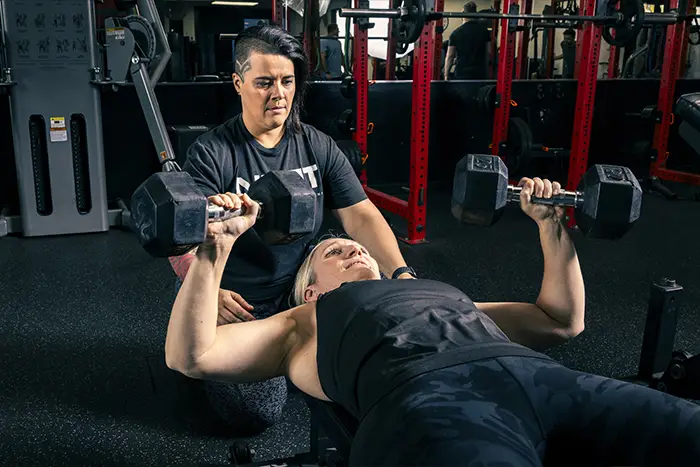
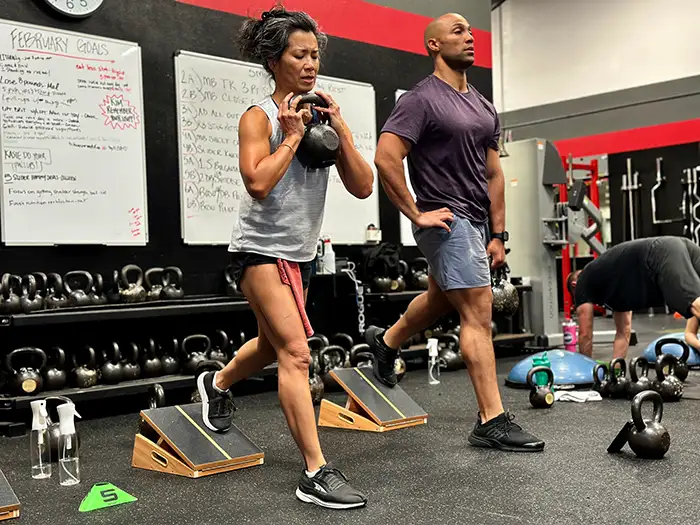
- Keep training through the season. This is the single biggest difference between people who come back in January having maintained their progress and people who need to start over. Read our posts on how to stay fit between Thanksgiving and New Years and 5 ways to stay on track during the holidays for specific strategies.
- Do not let one day become two weeks. This is where most of the holiday weight is actually gained. The meal itself is one day. The lingering leftovers, continued social events, and permission-slip mindset that extends into January is where the real damage happens.
Some Smarter Swaps Worth Knowing
You can cut significant calories from a holiday plate without sacrificing the dishes that actually matter to you.
Remove the turkey skin and choose white meat. Skinless turkey breast is one of the leanest proteins available. Turkey skin adds 50 to 100 calories per serving in mostly saturated fat.
Make mashed potatoes with turkey stock and Greek yogurt instead of butter and cream. The taste difference is minimal and the calorie difference is significant.
Take a quarter cup of gravy instead of half a cup. A quarter cup of homemade gravy is around 25 to 30 calories. Half a cup of thick store-bought gravy can be 200 or more.
Skip the green bean casserole and eat plain roasted or steamed green beans instead. Fresh green beans with almonds are genuinely better and save 100 or more calories per serving.
Choose pumpkin pie over pecan pie if you are having dessert. Pumpkin pie is roughly half the calories of pecan and still feels like a proper holiday dessert.
Who This Is For
This post is for adults who want to go into the holiday season with eyes open and a plan rather than waking up in January wondering where the extra eight pounds came from.
It may be for you if you:
- Want to enjoy holiday meals without the annual weight gain
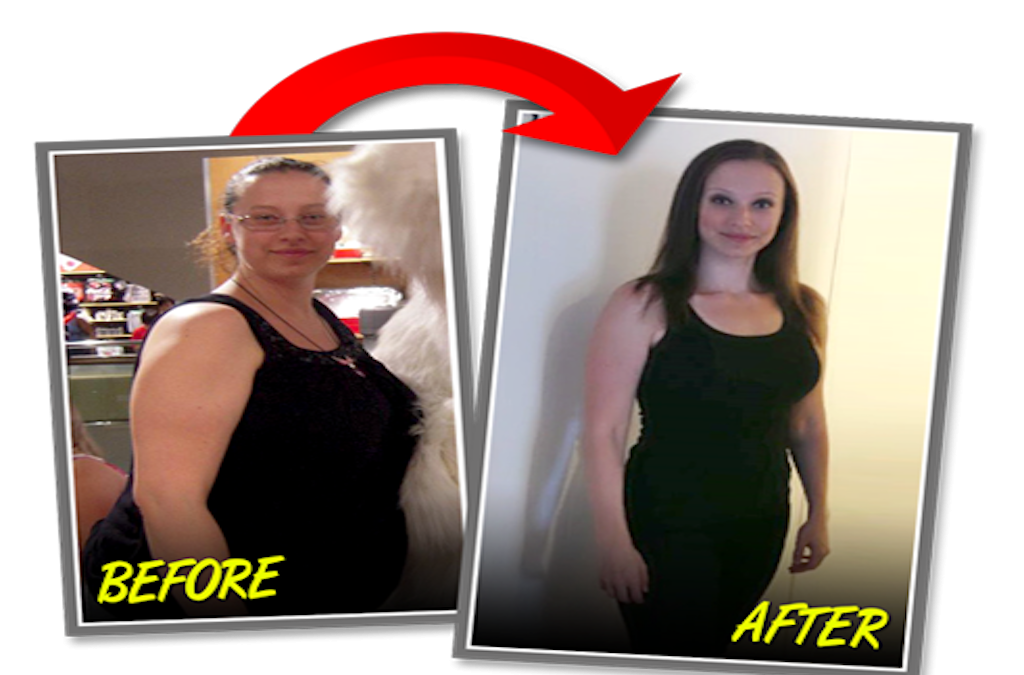
- Have gained weight every holiday season and are ready to break the pattern
- Are training consistently and want your nutrition to support that effort
- Live near Anaheim Hills, Placentia, Orange, Villa Park, or Yorba Linda
- Want coaching that carries you through the holidays, not just the easy months
What to Do Next
The holidays are not the enemy of your fitness goals. Uninformed eating and stopping your training are. Armed with what you now know, you can make better choices without feeling deprived and come back in January ahead of where you were instead of behind.
Read our post on how to keep the holiday weight off and check out keeping your fitness goals on track when life gets busy for practical strategies that apply directly to this time of year.
If you want to come out of the holiday season stronger than you went in, our 6 week fitness program is a structured way to build real momentum that carries through regardless of what is on the dinner table.
Or get fit for fall with NLPT before the season hits so you are already in a strong routine when the holiday events start stacking up.
You can reach us at (714) 909-1203 or email info@nolimitpt.com. We are at 980 S Via Rodeo, Placentia CA, just minutes from Anaheim Hills, Orange, and Yorba Linda.
Enjoy the holidays. Keep training. The scale will thank you in January.
Frequently Asked Questions
How many calories are in a typical Thanksgiving dinner?
Research from the Calorie Control Council estimates that Americans consume between 3,000 and 4,500 calories on Thanksgiving Day including appetizers, the main meal, dessert, and drinks. A single plate of modest servings of traditional dishes without seconds, drinks, or dessert sits at approximately 1,200 to 1,500 calories.
Will I gain weight from one Thanksgiving meal?
One large meal will not cause meaningful fat gain. Most of the weight seen on the scale the day after Thanksgiving is water retention from sodium, carbohydrates, and alcohol. It clears within a few days of returning to normal eating. The actual holiday weight gain comes from six to eight weeks of elevated intake across multiple events, not a single dinner.
How much weight do Americans actually gain over the holidays?
Research consistently shows that Americans gain an average of one to five pounds between Thanksgiving and New Year’s Day. The more significant finding is that this weight is rarely lost after the holidays. It tends to accumulate year over year, which is why the holiday season deserves a proactive approach rather than a January restart.
What are the highest-calorie items on a Thanksgiving table?
Stuffing is typically the highest-calorie side dish at around 350 calories per cup. Mashed potatoes made with butter and cream, pecan pie, store-bought gravy, and cranberry sauce made with added sugar are the other major calorie contributors. Desserts and alcoholic drinks add significantly to the total.
How can I enjoy Thanksgiving without gaining weight?
Eat a protein-rich snack before the event, fill half your plate with turkey and vegetables first, eat slowly and stop before going back for seconds, limit alcohol, and keep your training consistent through the season. One indulgent meal is not the problem. Stopping training and treating the entire season as a six-week cheat day is.