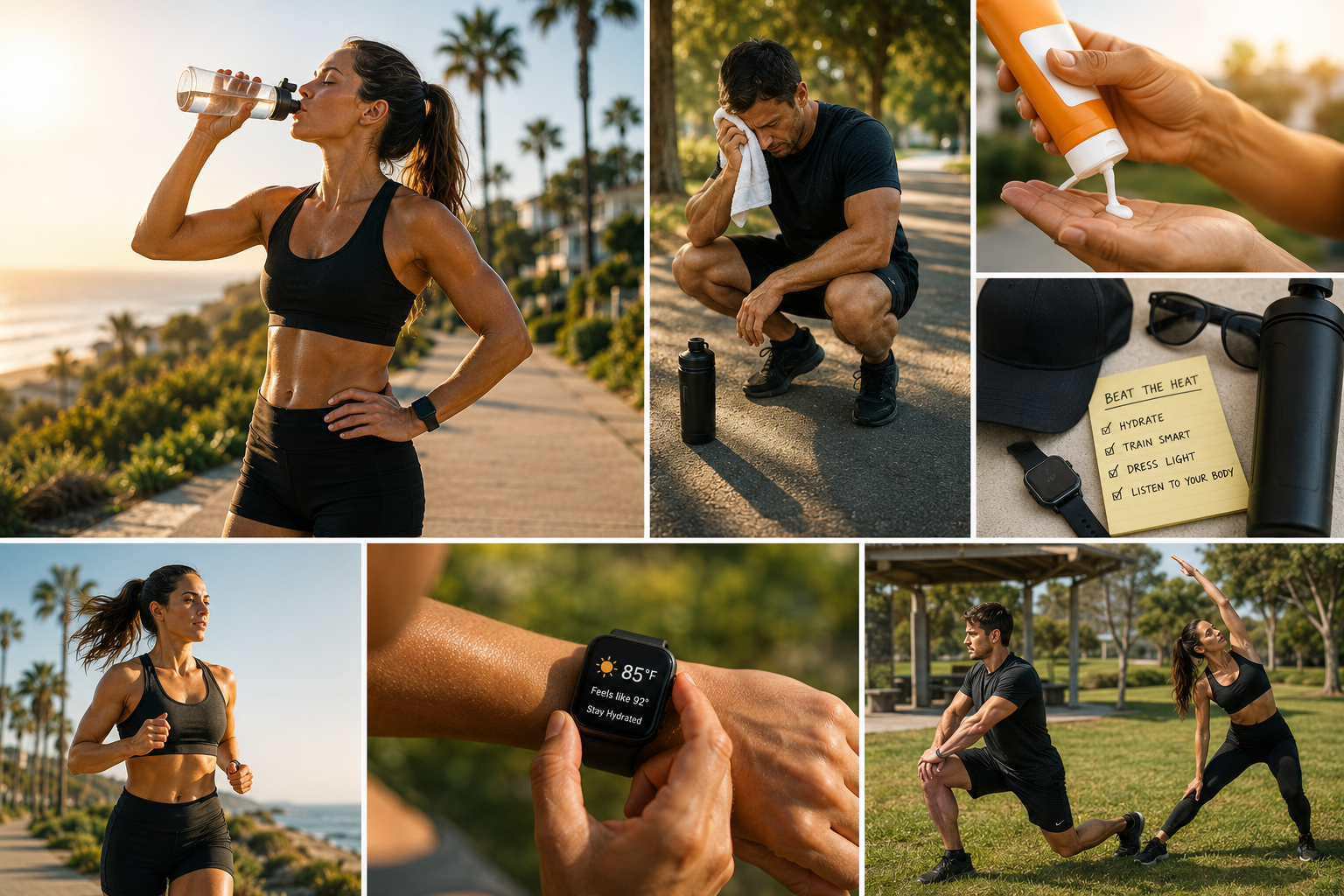
Summer in Orange County is incredible. The sun is out, energy is high, and motivation to get active is at its peak. However, training in hot weather without the right preparation can quickly turn a great workout into a dangerous situation.
Heat-related illnesses are far more common than most people realize. According to the CDC, hundreds of Americans die from heat-related conditions every year, most of which are entirely preventable. The good news is that with a few simple adjustments, you can keep training through the summer safely and effectively.
Whether you run outdoors, do boot camp in a park, or train at a gym, these tips apply to anyone who gets active when temperatures rise in Placentia, Yorba Linda, Anaheim Hills, and surrounding Orange County communities.
Understanding What Heat Does to Your Body
Before getting into the tips, it helps to understand what actually happens when you exercise in the heat.
During intense exercise in hot conditions, your body diverts blood flow to the skin to cool itself through sweating. As a result, your heart works harder, your core temperature rises faster, and your performance drops more quickly than it would in cooler conditions. Research shows that sweat rates during strenuous exercise in the heat can reach 1.5 litres per hour or higher. Without proper hydration and pacing, that fluid loss can lead to heat cramps, heat exhaustion, or in severe cases, heatstroke.
The key, according to sports medicine specialists at Mass General Brigham, is understanding that everyone’s tolerance to heat is different. Your body needs to be trained and prepared for what you are asking it to do in warm conditions. Starting low, starting slow, and easing into activity is always the right approach when temperatures climb.
When to Train and When to Wait
Timing is one of the most important decisions you make when exercising in hot weather. The hottest part of the day in Orange County typically falls between 10am and 3pm. Training during this window puts significantly more strain on your body than training at any other time.
Research from the CDC and PeaceHealth both recommend scheduling outdoor workouts either early in the morning or later in the evening when temperatures are naturally lower and the sun is less intense. A morning session before 9am or an evening session after 5pm makes a dramatic difference in how your body handles the heat load.
If your schedule only allows midday training, consider switching to indoor group fitness in Anaheim Hills during peak summer months. Training in a climate-controlled environment eliminates heat risk entirely while keeping your consistency intact.
Hydration: The Most Important Factor
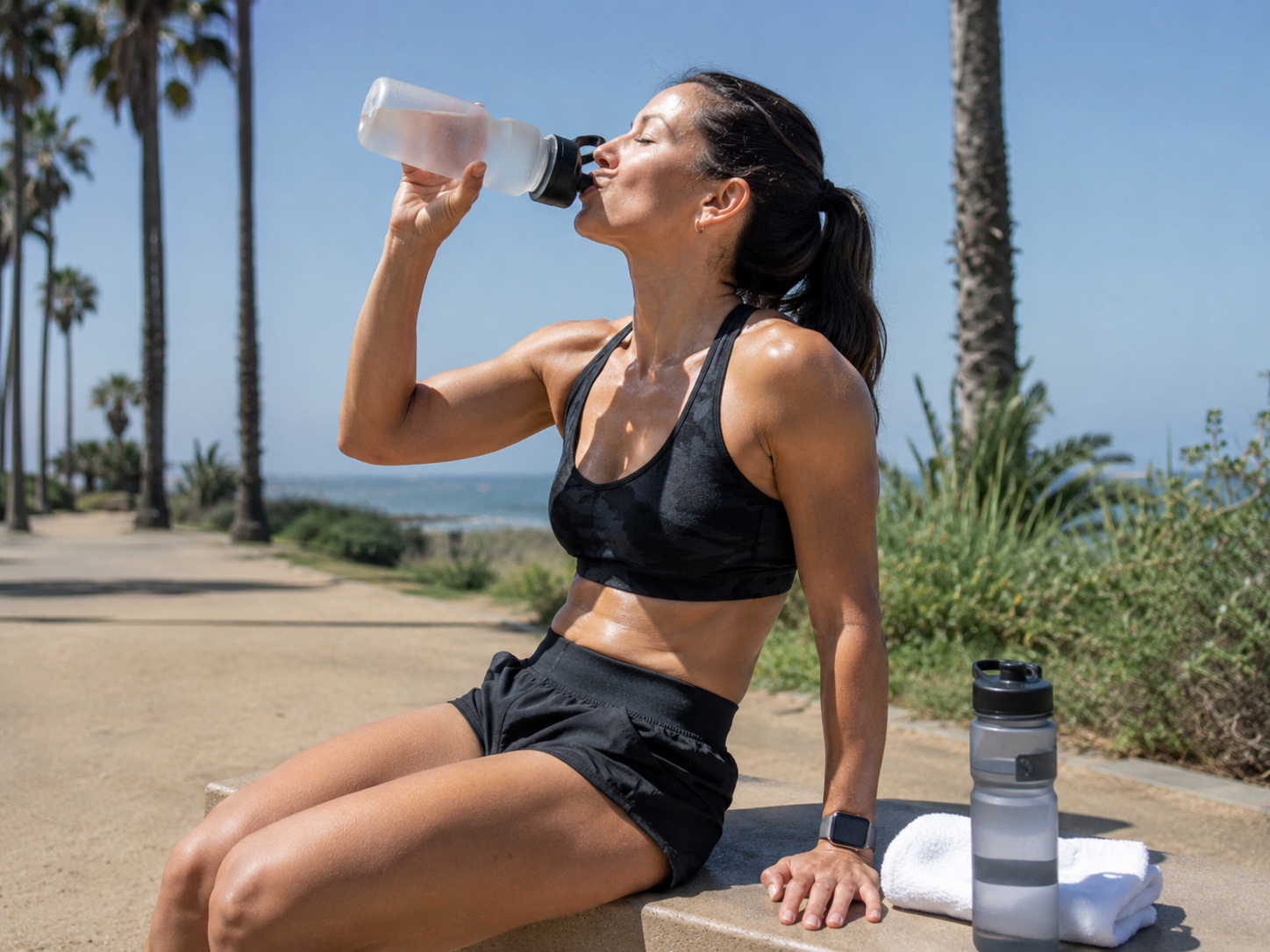
Dehydration is the primary driver of heat illness during exercise. According to Texas Heart Institute cardiologist Dr. Alexander Postalian, staying hydrated and recognizing early signs of heat-related illness can mean the difference between a quick recovery and a serious emergency.
Here is what the research recommends for hydration around exercise in the heat:
Before your workout, drink 16 ounces of water one to two hours before activity. Do not wait until you are thirsty to start hydrating because thirst is already a sign that dehydration has begun.
During your workout, drink at least 8 ounces of fluid every 10 to 15 minutes even if you do not feel thirsty. Research from PeaceHealth recommends consuming between 16 and 24 ounces per hour during moderate intensity exercise in the heat.
After your workout, continue hydrating to replace what you lost. A practical way to track this is to weigh yourself before and after training. For every pound of body weight lost, drink 16 ounces of water to restore fluid balance.
Electrolytes Matter as Much as Water
Drinking water alone is not always enough during intense summer training. When you sweat heavily, you also lose sodium, potassium, and magnesium, the electrolytes your muscles and nervous system depend on to function properly.
Replacing electrolytes after a sweaty session helps prevent muscle cramps, fatigue, and the sluggishness that often follows a hard workout in the heat. Good options include a low-calorie sports drink, coconut water, electrolyte tablets dissolved in water, or simply eating a meal with plenty of sodium and potassium-rich foods like bananas, sweet potatoes, and avocado.
Recovery tools at NLPT support post-workout recovery, which matters even more when training in challenging summer conditions.
What to Wear and What to Avoid
Your clothing choices have a direct impact on how well your body manages heat during exercise. Making the right call before you head out can make a significant difference in how your body handles the heat load.
What to Wear
- Light-colored fabrics that reflect sunlight rather than absorbing it
- Loose-fitting clothes that allow airflow around the body
- Breathable technical fabrics that wick moisture away from the skin so sweat can evaporate
- Sunscreen on all exposed skin, even on overcast days in Orange County
- A hat or visor to protect your face and reduce direct sun exposure
What to Avoid
- Dark colors that absorb heat and raise your body temperature faster
- Tight-fitting, non-breathable fabrics that trap heat against the skin
- Rubberized or waterproof materials that prevent sweat from evaporating
- Cotton that holds moisture and stays wet against the skin instead of wicking it away
How to Pace Yourself in Hot Weather
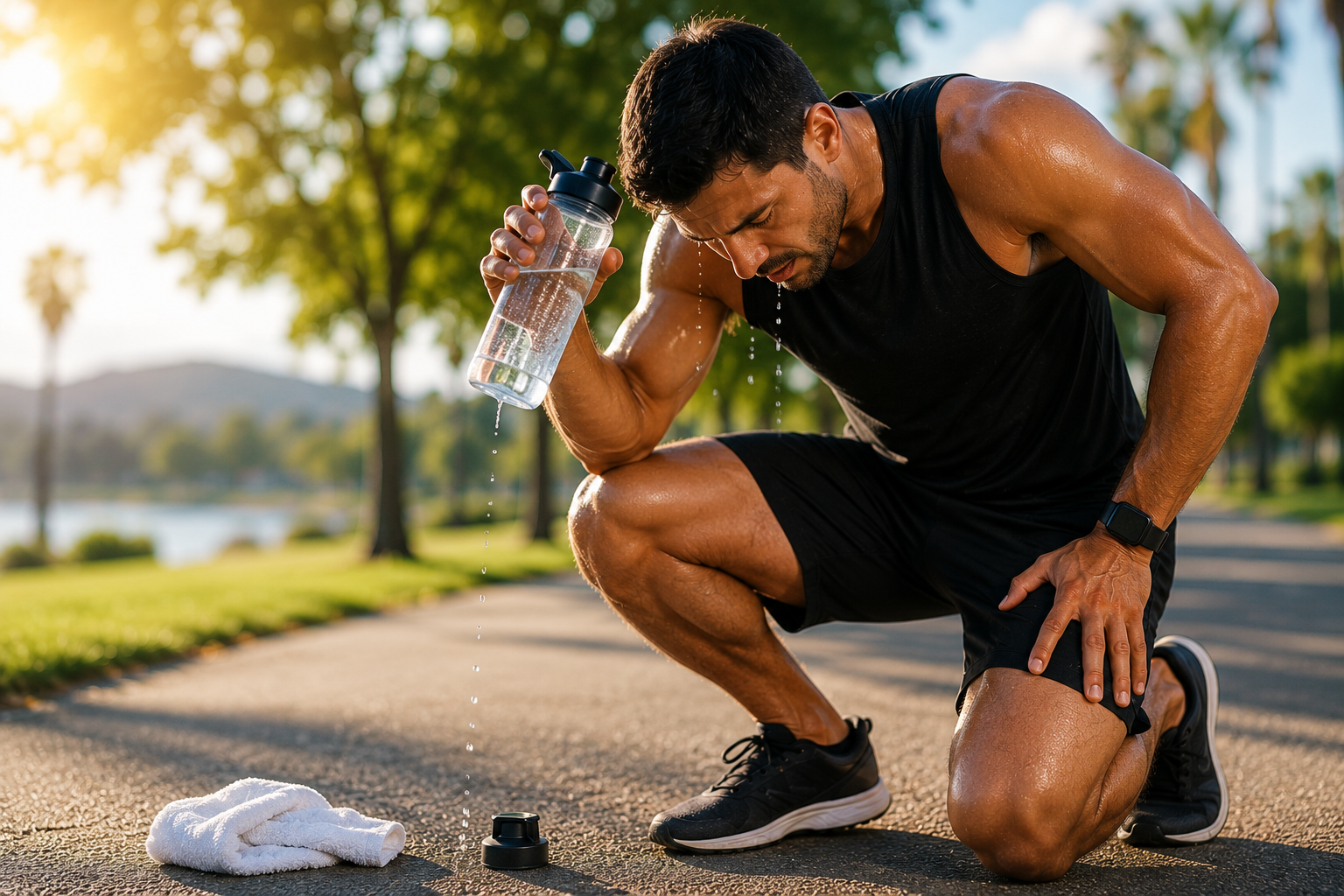
One of the most common mistakes people make when training in the heat is going at the same intensity they would use in cooler conditions. Your body is already working harder just to stay cool. Adding high-intensity effort on top of that increases heat load dramatically.
According to Mayo Clinic, it takes at least one to two weeks for the body to fully acclimatize to exercising in the heat. During that adjustment period, reduce your intensity by 20 to 30 percent and take more frequent rest breaks than you normally would.
Listen to your body throughout every session. Dizziness, nausea, excessive sweating, a rapid weak pulse, or suddenly stopping sweating when you were previously sweating heavily are all warning signs to stop immediately, move to a cool area, and hydrate. If symptoms do not improve within 20 minutes, seek medical attention.
For those who prefer to keep intensity high without the heat risk, HIIT training in Placentia at NLPT delivers all the benefits of high-intensity work in a cool, coached indoor environment.
Who This Is For
This post is for anyone who trains outdoors during summer in Orange County and wants to stay safe without losing consistency. It is for adults who run, hike, do outdoor boot camps, or simply walk regularly and need practical guidance for hot weather months.
It may be for you if you:
- Train outdoors regularly and want to know how to do it safely in summer heat
- Have felt dizzy, nauseous, or exhausted after outdoor workouts in warm weather
- Want to understand how hydration and electrolytes affect your performance
- Are looking for an indoor training option on extreme heat days
- Live near Placentia, Orange, Anaheim Hills, Yorba Linda, or Villa Park
How NLPT Supports Your Summer Training
At No Limit Personal Training, summer training does not have to mean risking your health in the heat. Our indoor coached sessions run year-round in a climate-controlled environment so you never have to choose between staying consistent and staying safe.
On days when the heat is simply too much to train outdoors, view the NLPT schedule and find a session that fits your day. Our coaches design every workout to match your current fitness level and the demands of the season so you always train smart regardless of what the weather is doing outside.
What to Do Next
Summer in Orange County does not have to sideline your training. With the right timing, proper hydration, smart clothing choices, and a willingness to adjust your intensity, you can stay active safely through even the hottest months of the year.
Train early or late, hydrate consistently before and during every session, replace your electrolytes, wear the right gear, and always listen to what your body is telling you.
Call us at (714) 909-1203 or email info@nolimitpt.com if you want to talk about your summer training plan. We are at 980 S Via Rodeo, Placentia CA.
Stay strong. Stay smart. Stay cool.
Frequently Asked Questions
Is it safe to exercise outdoors in summer heat in Orange County?
Yes, with the right precautions. Avoid training between 10am and 3pm when heat is at its peak. Hydrate consistently before, during, and after every session. Reduce your intensity by 20 to 30 percent in hot conditions and take more frequent rest breaks. Listen to your body and stop immediately if you feel dizzy, nauseous, or unusually fatigued.
How much water should I drink when exercising in the heat?
Research recommends drinking 16 ounces of water one to two hours before exercise, at least 8 ounces every 10 to 15 minutes during your workout, and continuing to hydrate afterward until urine returns to a light yellow color. Do not wait until you feel thirsty as thirst is already a sign of dehydration.
What are the warning signs of heat illness during exercise?
Early warning signs include dizziness, nausea, excessive sweating, intense thirst, and a rapid weak pulse. More serious signs include stopping sweating suddenly, confusion, and loss of consciousness. If you experience any of these, stop exercising immediately, move to a cool area, and seek medical attention if symptoms do not improve within 20 minutes.
What should I wear when exercising in hot weather?
Wear light-colored, loose-fitting, and breathable technical fabrics that wick moisture away from the skin. Avoid dark colors, tight-fitting materials, and anything rubberized or waterproof which traps heat against the body. Always apply sunscreen before outdoor training regardless of cloud cover.
Should I use electrolyte drinks when working out in the heat?
Yes, particularly during longer or more intense sessions. Heavy sweating depletes sodium, potassium, and magnesium alongside water. Replacing electrolytes with a low-calorie sports drink, coconut water, or electrolyte tablets helps prevent muscle cramps, fatigue, and post-workout sluggishness.